Residents in Thailand's Ban Thanon Khot are accustomed to the rumbling of trains – rail is a key mode of transportation connecting the remote town with major cities. But on Wednesday, the mundane rhythm ended in tragedy.
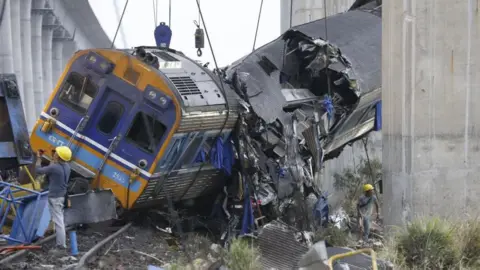
The noise was abnormally loud. A huge, crashing sound, said school volunteer Pitchaya Promenade. I saw a blue crane sliding. It seemed stuck for a moment, and suddenly it flipped over. The construction crane, used for building an overhead railway, collapsed onto a moving train, killing at least 32 people and injuring 66 others, mostly students and workers on their way to school or work.
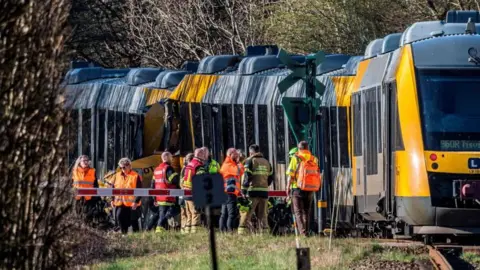
The BBC reported a grim scene with rescuers still pulling bodies from the wreckage. As the evening progressed, the extent of the damage became palpable. Pitchaya described the wreckage visually, saying, It looked like a spoon scooping into a slice of cake with some carriages completely crushed.
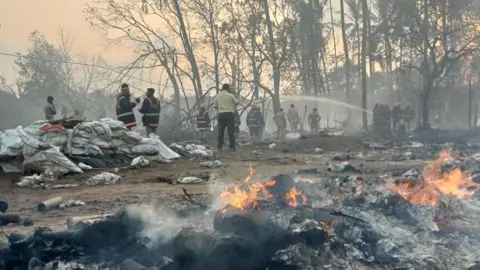
People were screaming 'Help! Help!' and smoke was rising, recounted nearby restaurant owner Penporn Pumjantuek. Rescuers battled rising smoke and fires ignited by the crash, using cranes and hydraulic tools to free the trapped passengers. The crane involved was part of a large US$5.4bn project connecting Bangkok with southwestern China via Laos. Thai Prime Minister Anutin Charnvirakul has called for a thorough investigation into the incident.
The collapse has raised alarms about construction safety standards in Thailand, particularly given the country's history of similar accidents. Experts and locals alike are left grappling with the aftermath of this devastating event, wondering how such a tragedy could happen.