In brief
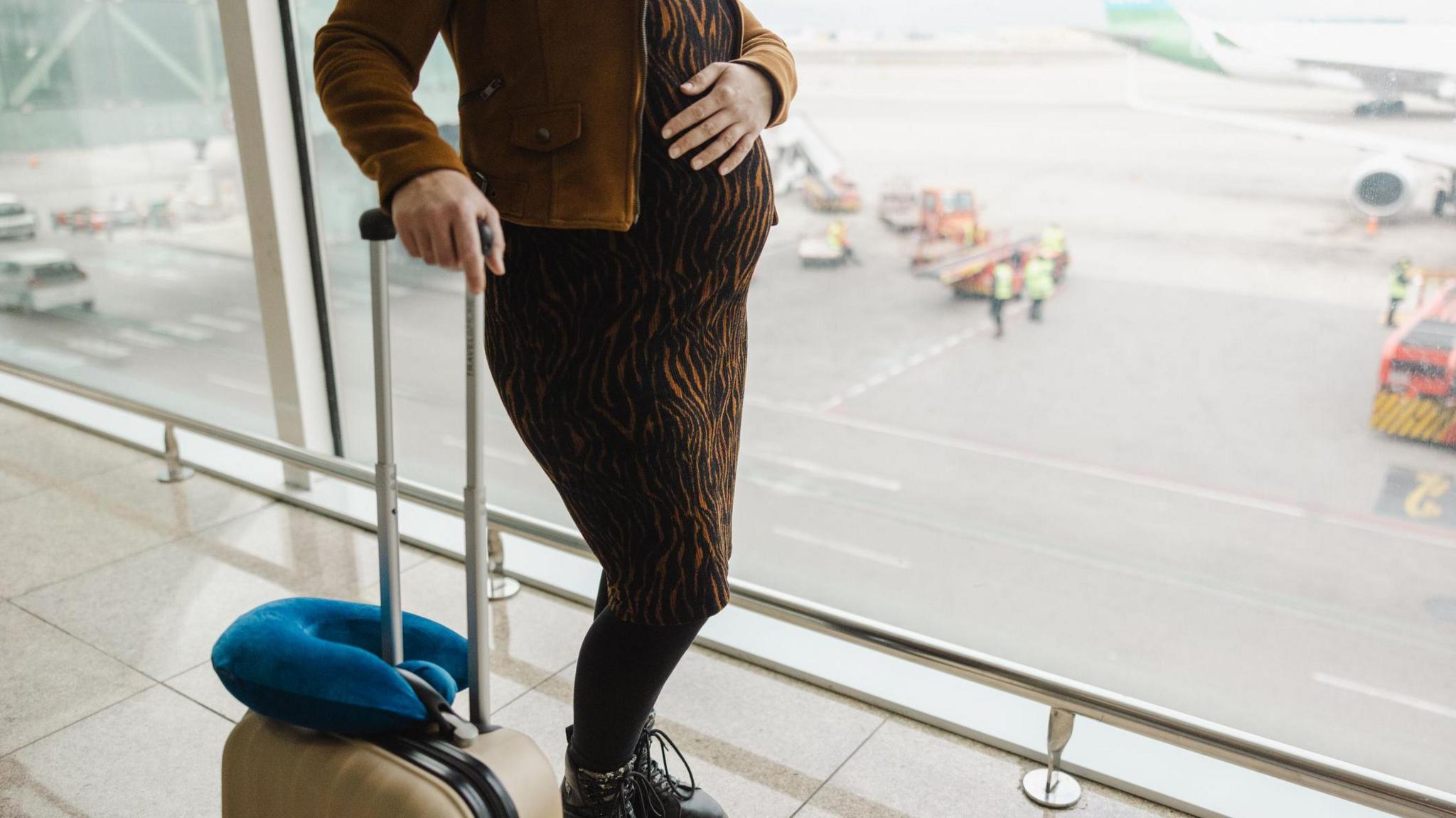
President Donald Trump has issued two executive orders aimed at ending birth tourism in the U.S. and tightening the clause of the 14th Amendment that grants citizenship to those born on U.S. soil. The orders expand the list of parents whose children cannot automatically claim citizenship and encourage agencies to enforce existing rules against people who travel expressly to give birth. Data from the CDC indicates that 0.25‑0.7 % of the 3.7 million births in 2024 were to foreign‑born mothers, while the Migration Policy Institute estimates 20‑26 k birth‑tourism babies per year. Critics argue the new policies raise legal and logistical problems, especially around proving terrorism group membership and the so‑called “unincorporated territories” exception.
Yesterday, President Donald Trump pushed two executive orders that aim to reduce what he calls “birth tourism” and tighten the United States’ long‑standing birthright citizenship rule.
What the orders say
The first order expands the type of parents whose children can’t automatically claim citizenship. It bars nation‑wide citizenship for babies born to parents who are members of foreign terrorist groups, foreign government employees, or who fraudulently try to gain citizenship. It also hits people living in U.S. territories that the federal law does not cover. The second order directs the Departments of State and Homeland Security to clamp down on birth‑tourism operators that lure foreign parents with promises of citizenship and benefits.
How many babies are involved?
The Migration Policy Institute estimates 20,000‑26,000 birth‑tourism babies in the U.S. annually – about 0.5‑0.7 % of total births. The CDC’s raw data shows 9,500 babies born to foreign‑born mothers in 2024, a rough 0.25 % of 3.7 million U.S. births. The true figure is hard to pin down because many women use U.S. addresses that aren’t their permanent homes when registering a birth.
Birthright citizenship 101
The rule comes from the 14th Amendment, which says anyone born on U.S. soil is a citizen unless they’re born to foreign diplomats, enemy soldiers during wartime, or in unincorporated territories that lack federal citizenship statutes. Puerto Rico, Guam and the U.S. Virgin Islands grant automatic citizenship. American Samoa’s residents are “non‑citizen nationals.” Learn more
Legal battle over birthright
In April the Trump administration argued that birthright contributes to an influx of kids “with no meaningful ties” to the U.S. The Supreme Court, however, dismissed the claim, stating the 14th Amendment still applies unchanged in this era. The new orders face similar scrutiny: judges must decide how to interpret the expanded list of non‑citizen parents.
International comparison
More than 30 countries grant unrestricted birthright citizenship. Only the U.S. and Canada are considered developed nations with such a policy. Others, like the U.K. and Australia, offer a modified form that pairs citizenship with at least one citizen or permanent‑resident parent. Explore global rules