In brief
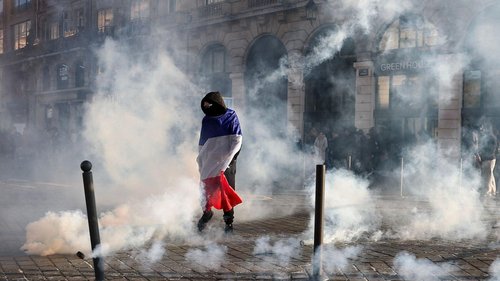
Massive Canadian wildfires have turned the sky orange over New York City, choking air and forcing the US president to threaten tariffs on Canadian products. The smoke, pumped north into the US, has triggered health alerts, cancelled outdoor events and even prompted talk of cross‑border firefighting support. Political voices clash, with US lawmakers demanding action and Canadian officials pointing to joint efforts in battle against the flames. Climate experts note that fire intensity is tied to weather, not a single country’s policy. The page shows rising smoke levels, political trade talks, and the impact on everyday life, all in one eye‑watering snapshot.
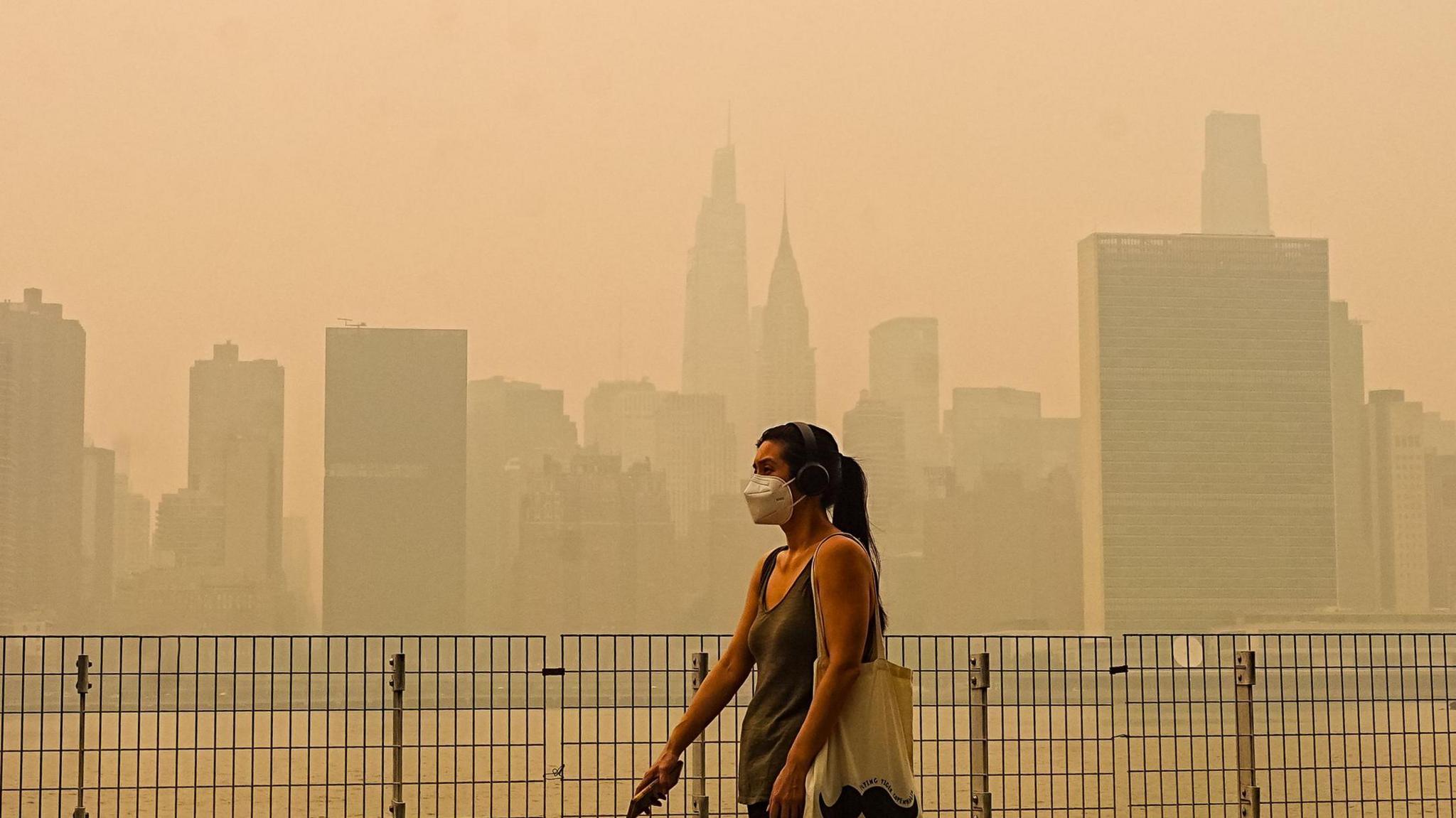
The sky over New York City turned orange, not from the sunset, but from smoke engulfing the skyline. Thousands of Canadian wildfires have sent a dense blanket of smoke across the northern border, choking air quality in major U.S. cities.
President Donald Trump reacted on Truth Social, saying the U.S. is “unnecessarily invaded” by polluted air. He threatened new tariffs on Canadian goods as a protest against what he calls Canada’s “willful negligence” in managing forests.
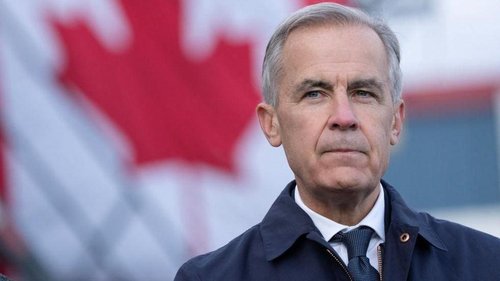
At the same time, Canadian Prime Minister Mark Carney said climate change is a shared global responsibility, and that the nation’s fired lands are hard to monitor. Ontario’s premier, Doug Ford, urged U.S. lawmakers to send firefighting aid rather than critique.
Scientists explain the complexity: “Heat and dry air don’t respect borders,” said Dr Patrick James from the University of Toronto. The large, remote fires in Ontario grow beyond early detection, making containment difficult. Climate change is also pushing the seasons hotter and drier.
Meanwhile, the air mightfall has practical impacts. Detroit got the world’s worst air‑quality rating that day, followed by Chicago, Washington D.C. and New York. Many outdoor festivals, sporting events and even the upcoming World Cup final in New Jersey faced cancellations or relocations.
Urgent prayers of Native communities surfaced. The Namaygoosisagagun First Nation Chief Helen Paavola warned her people of fires that “burnt to ashes” in their remote areas. All told, the Canadian blaze is a stark reminder that storms cross borders, and cooperation is key.