In brief
Canada’s supply‑management system, which sets quotas and prices for dairy, has been a long‑standing defence of farmers. Trump’s latest tariff threat forces Ottawa to defend this “powerful” industry. While most Canadians support the system, critics argue it inflates prices. Politicians refuse to compromise, with Quebec Premier and federal minister standing firm. Indians must navigate trade deals and the political cost of altering a centuries‑old policy.
US President Donald Trump has announced a 50% tariff on $20 billion of Canadian dairy – a move aimed at cracking Canada’s acclaimed supply‑management system that guarantees stable farm income and domestic food prices.
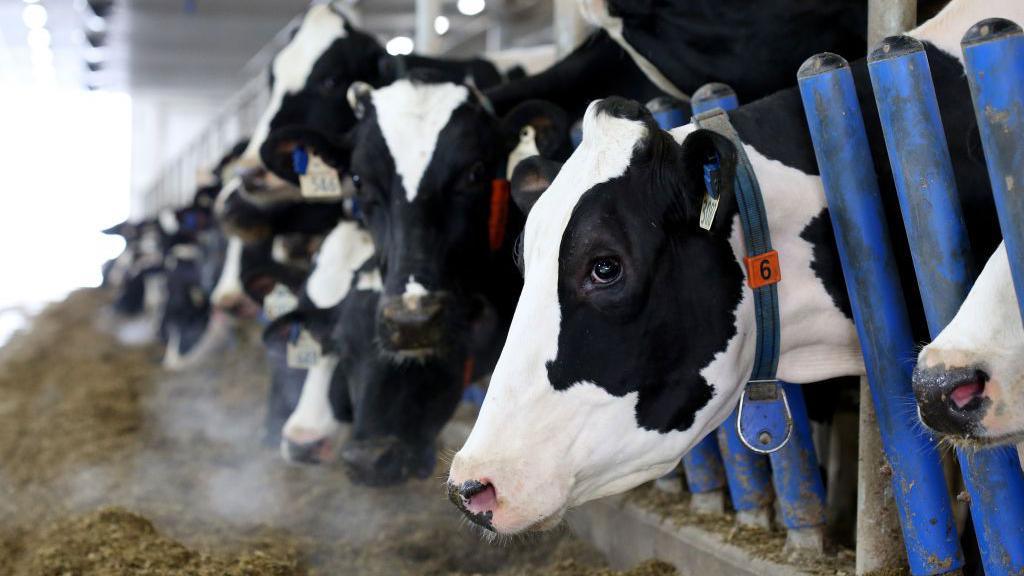
The Canadian system, in place since the 1970s, lets farmers lock in production quotas, sets provincial prices and limits foreign imports. When the US’s dairy output exceeds domestic demand, the Canadian market becomes a “prime target” for tariffs.
Protecting an Economic Powerhouse
Quebec Premier Christine Fréchette and Trade Minister Dominic LeBlanc have said the policy is “non‑negotiable” and a cornerstone for rural communities. “It ensures Canadians get high‑quality dairy from local farmers,” LeBlanc told the BBC.
Canadian farmers defend the system, arguing it keeps prices stable even when global shocks hit – like the recent bird flu spike in the US.
Politically Inevitable but Costly
Removing the system would require huge payouts to farmers and could cost the Liberals seats in Parliament. Even the UK and Australia have tried phasing out quotas, but the Canadian public largely backs the status‑quo: polls show 77 % favour keeping it.
Critics urge elimination to lower consumer prices and widen Canada’s trade options. David Clement of the Consumer Choice Center says “it’s an anachronism that inflates staples.” Yet many Canadians see it as a safeguard against food‑price volatility.
The Tariff Debate in Numbers
In May Canadians paid an average of C$3.19 for a litre of milk, while Americans paid C$1.95. Only 3.5 % of Canadian dairy is tariff‑free for the US.
The US has argued that Canada’s agreement with the EU gives European cheese easier access to Canada than American cheese, an unfair trade advantage.
Whether politics or economics wins, the debate illustrates how deeply tied Canada’s identity and the world’s food supply are to one controversial policy.