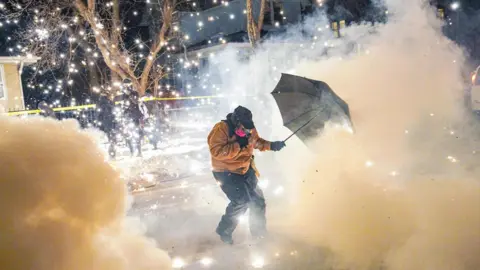
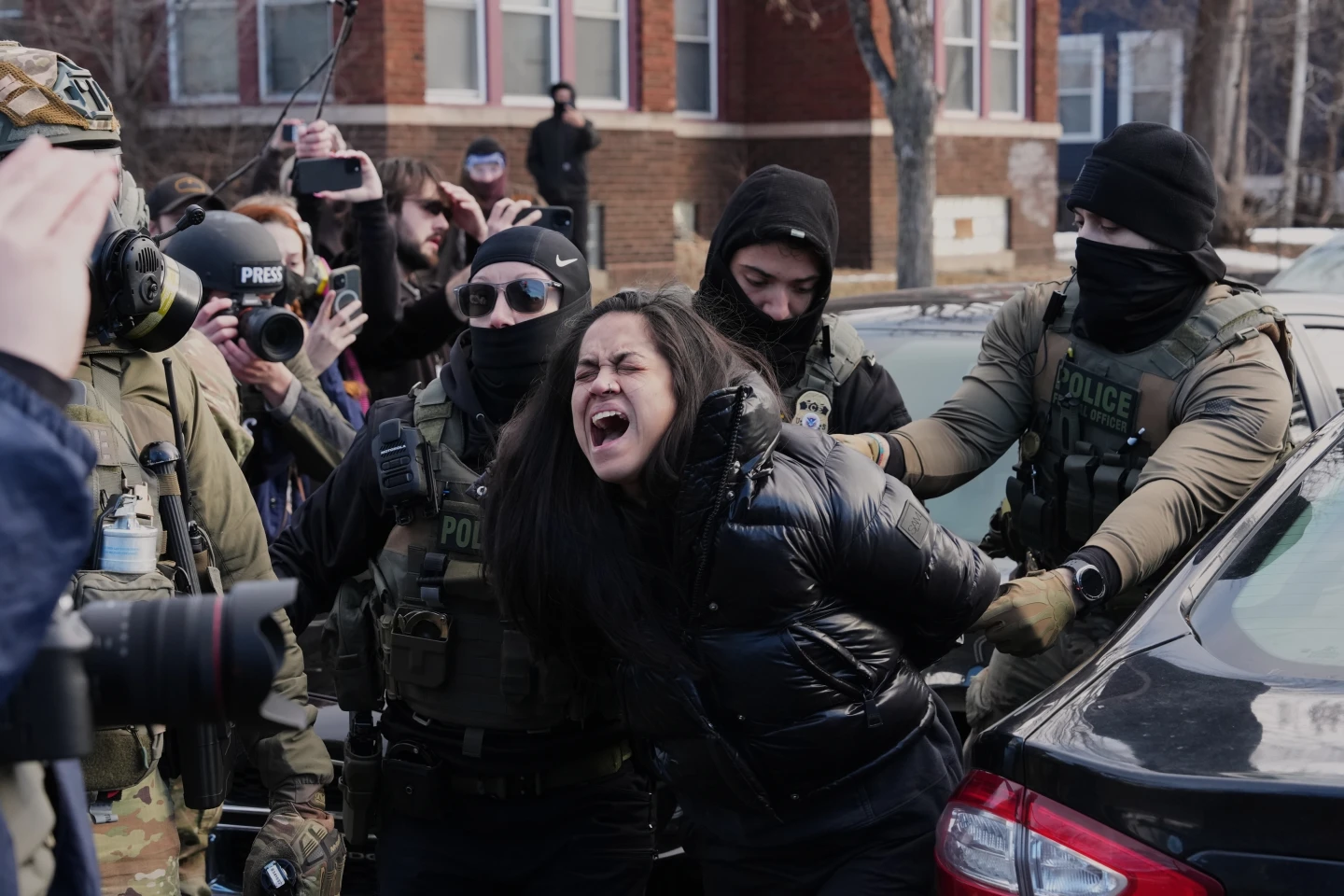
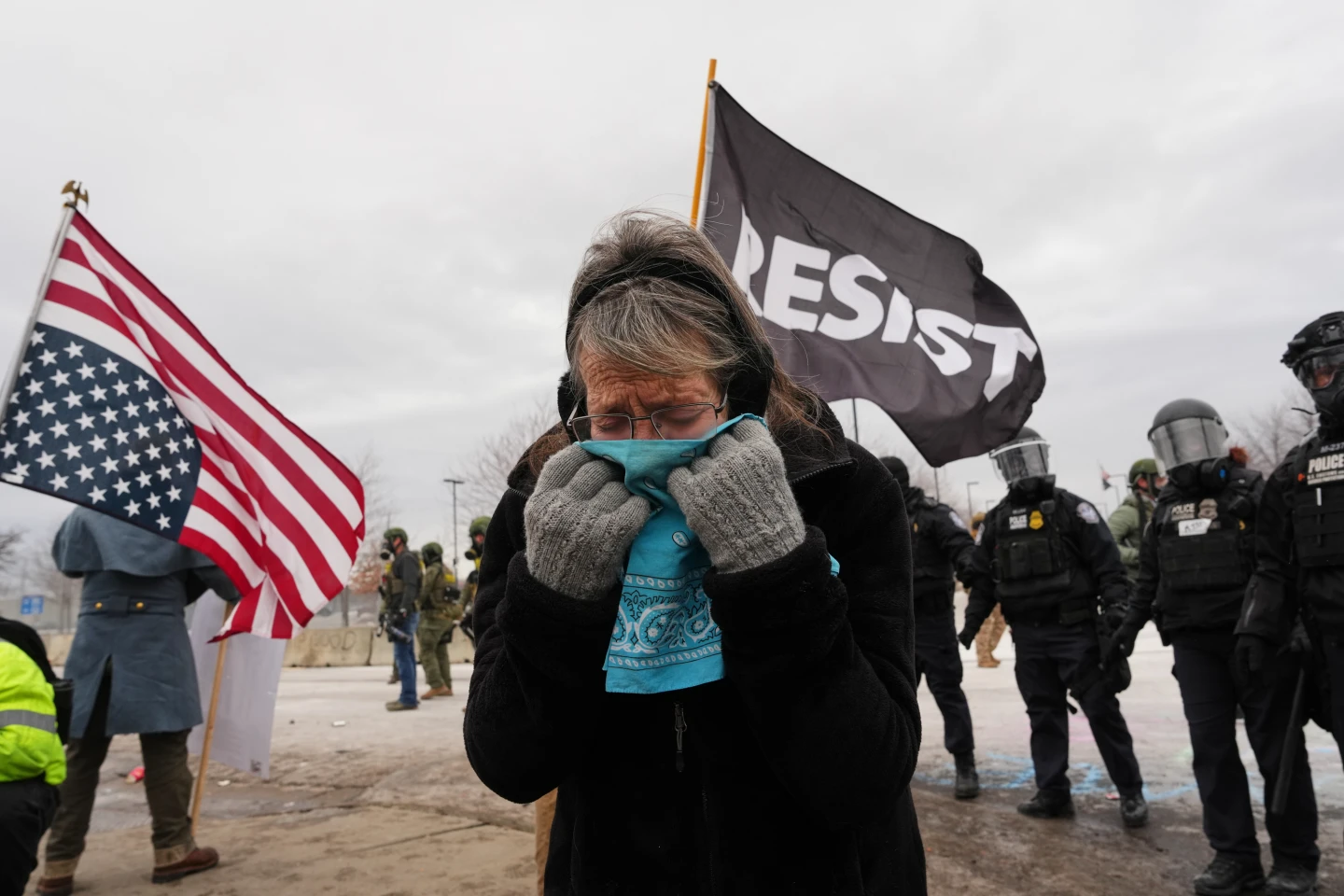
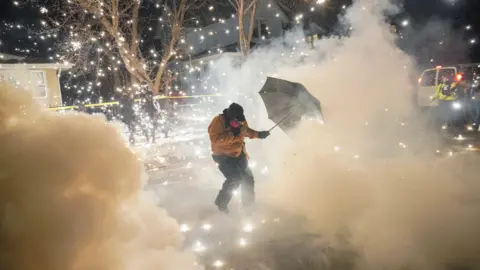
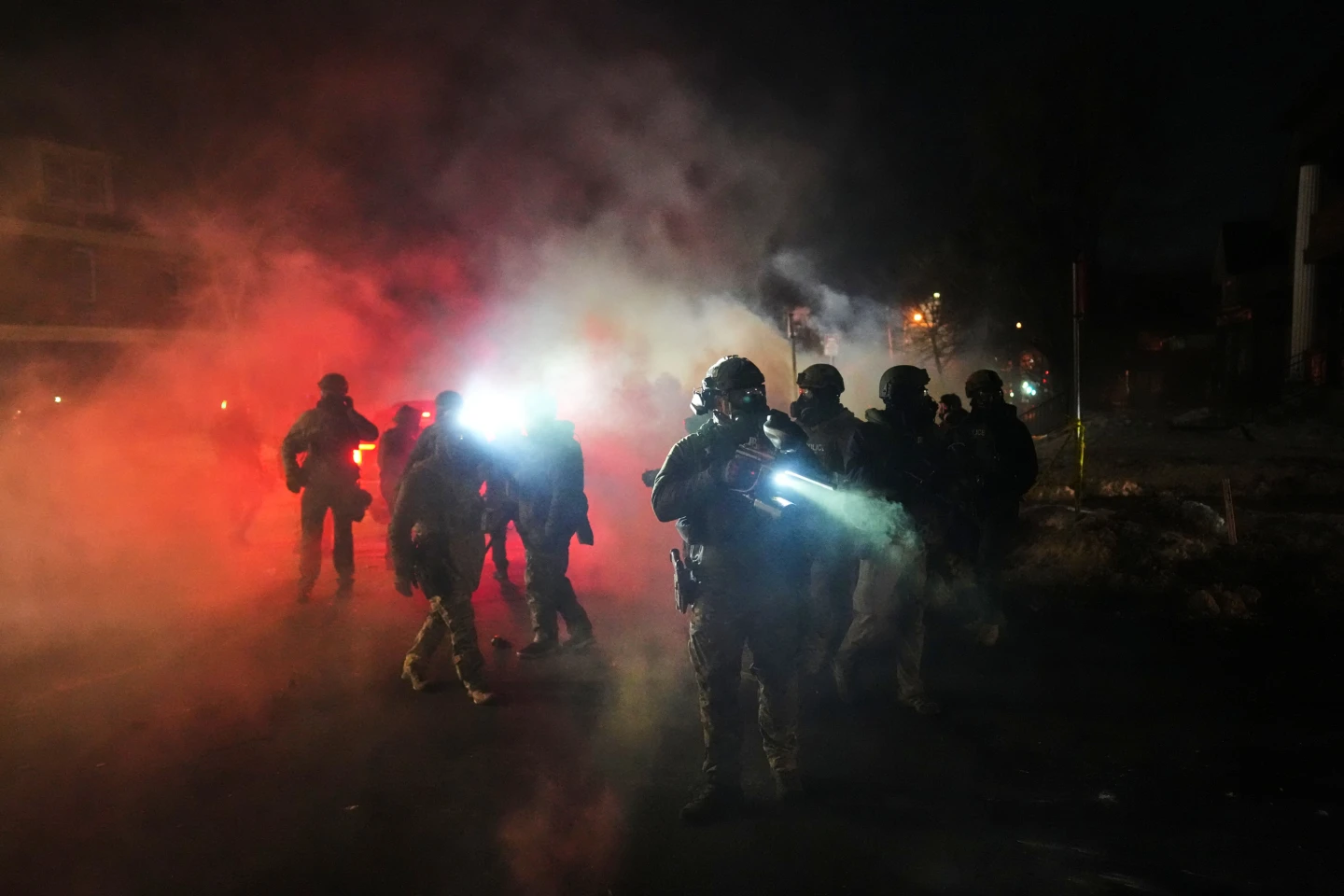
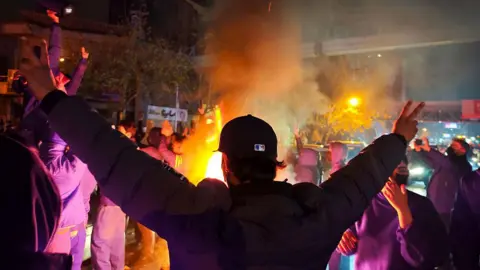
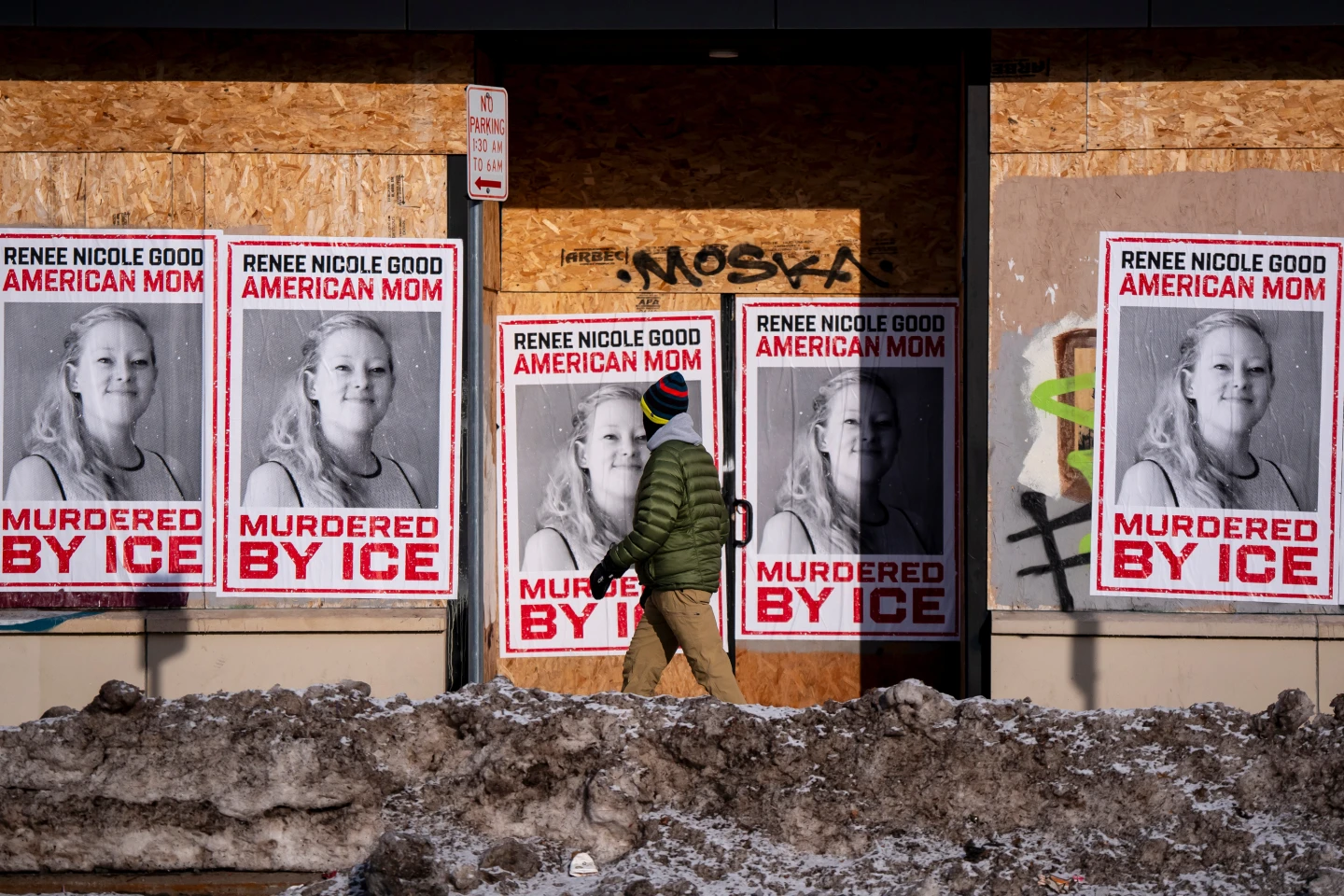
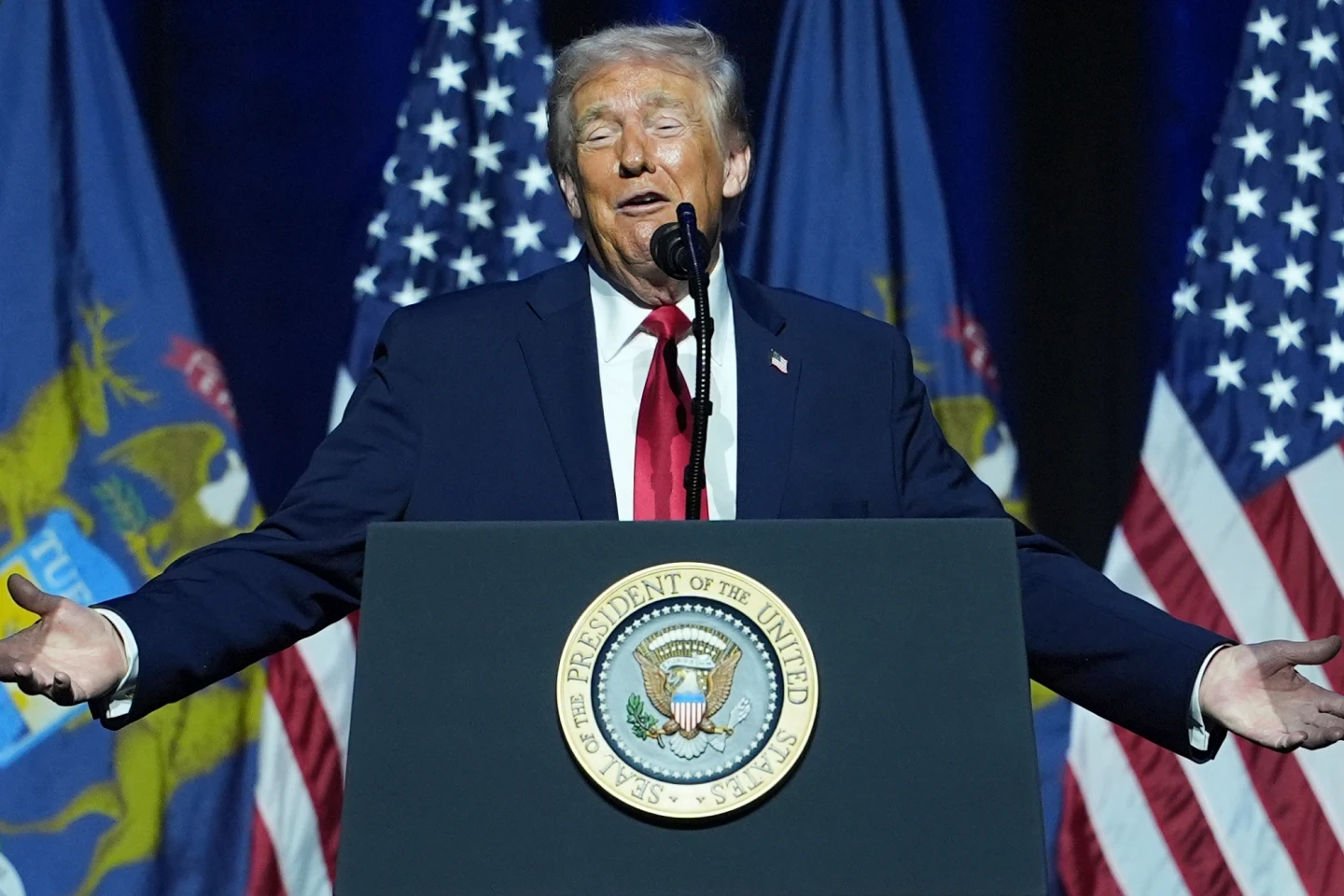
ATLANTA (AP) — President Donald Trump has threatened to invoke the Insurrection Act, aiming to send U.S. military forces to Minnesota to quell ongoing protests. Though not the first president to consider such action, Trump would uniquely use this 19th-century law in a situation prompted by federal officers already present in the area who are accused of inciting violence. | Legal experts warn that the criteria for invoking this law have not been met in the current Minneapolis context. Historically, the Insurrection Act allows presidents to act only under specific conditions, such as local requests for help or when civilian law enforcement is overwhelmed. However, legal scholars highlight that the unrest largely results from actions taken by federal authorities. Experts describe Trump's potential invocation as a significant abuse of power, marking a departure from established norms that prioritize local governance and the rule of law. As protests continue to unfold, questions about the legitimacy and consequences of invoking such military action loom large.
Trump's Threat to Invoke the Insurrection Act: Unprecedented and Controversial
Amid protests in Minnesota, President Trump contemplates invoking a 19th-century law to send military forces, raising concerns among legal experts about the implications and legality of such actions.
President Trump is considering the use of the Insurrection Act to deploy military units in Minnesota amid ongoing protests linked to federal actions. While presidents have used this law in the past to maintain order, experts argue that the current scenario in Minnesota does not meet the necessary criteria for its invocation. Critics highlight that the unrest stems partly from federal actions already taken, complicating the justification for further military involvement.