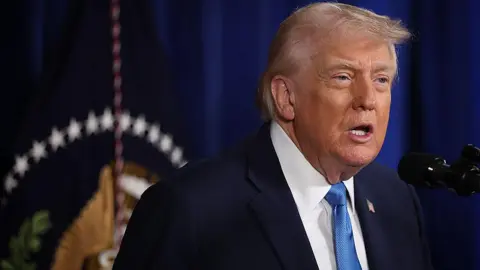
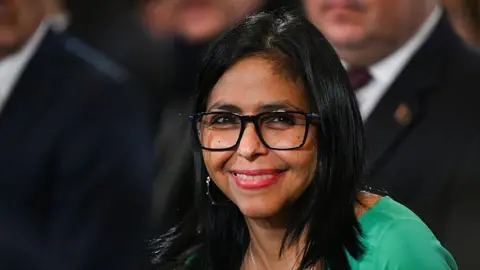
Amid the many questions swirling since last weekend's dramatic events in Caracas, one that refuses to go away centers on Delcy Rodríguez, who is now leading what US officials are calling Venezuela's interim authorities. Why Delcy? The answer lies in a strategic choice from the Trump administration.
Choosing Rodríguez—who has deep ties to Venezuela's past—and not supporting opposition leader María Corina Machado, despite her popularity, indicates a preference for maintaining stability rather than pursuing complete regime change. Charles Shapiro, a former US ambassador to Venezuela, noted that the administration is trying to preserve the existing regime without its infamous dictator.
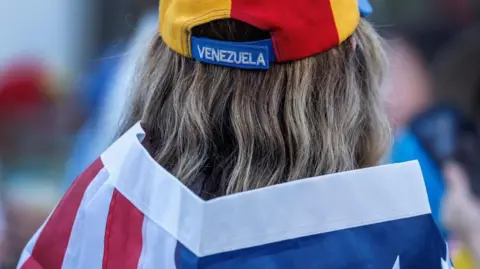
Supporters of Machado argue that her movement was broadly elected and deserved backing, suggesting a disqualification by Trump effectively undermines democratic legitimacy. Observers speculate about a potential conspiracy involving Rodríguez given her rapid rise to power and the apparent absence of Maduro.
Washington now finds itself working with Rodríguez, who has shown some inclination toward economic reform, potentially easing US sanctions if she collaborates on energy issues. However, the path to genuine democracy remains uncertain, with fears that ordinary Venezuelans might not see the benefits of this political shift.
As Trump’s administration navigates these complex dynamics, only time will reveal whether this choice succeeds or leads to further turmoil in Venezuela.