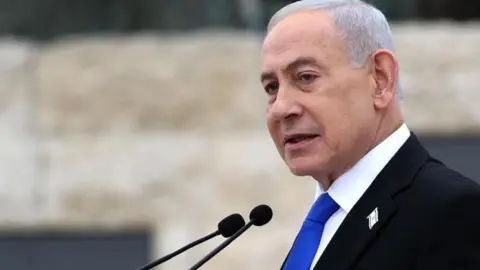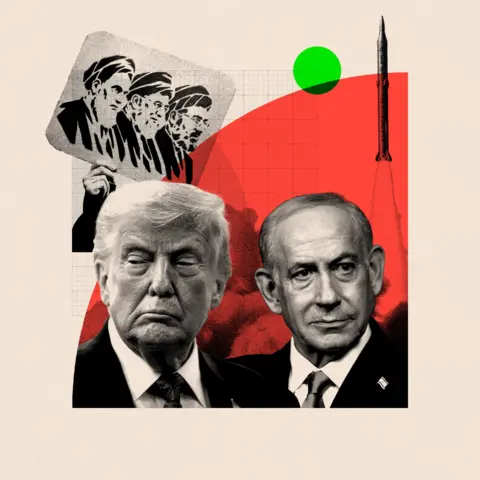
In an unexpected twist in international relations, the conflict initiated by US President Donald Trump and Israeli Prime Minister Benjamin Netanyahu against Iran has highlighted the pitfalls of acting on instinct rather than strategic military planning. This conflict has not only reignited discussions about the historical importance of military foresight but also raised critical questions about how the Trump administration addresses the realities on the ground.
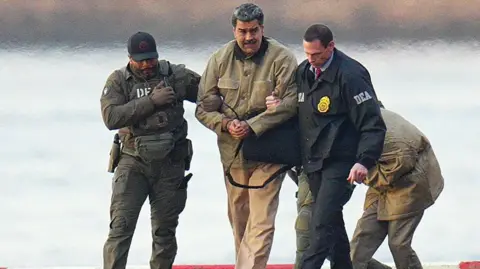
Since the US and Israel launched their air strikes on Iran, the anticipated swift victory has not materialized. Instead, the US faces the stark reality that Iran's regime is enduring and adaptive, defying Trump's hopes for a quick resolution akin to the Venezuelan situation earlier in his presidency. As Trump's military strategy relies heavily on gut instinct rather than intelligence and detailed planning, experts warn of the dire potential outcomes.
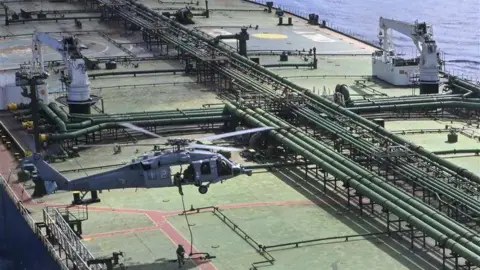
With possible escalations looming, this conflict could reshape global power dynamics, echoing the complexities seen in past conflicts such as Vietnam and Iraq where overwhelming force did not equate to clear victories. As Trump and Netanyahu press forward with military efforts, the effectiveness of their strategy faces scrutiny amidst Iran's determined resilience in defending its regime and asserting control, particularly over strategic chokepoints like the Strait of Hormuz, crucial for global oil supplies.
As the war unfolds, the need for diplomacy intertwines with military strategy, leaving Trump in a precarious position dictated by instinct and the unpredictable nature of warfare.
Since the US and Israel launched their air strikes on Iran, the anticipated swift victory has not materialized. Instead, the US faces the stark reality that Iran's regime is enduring and adaptive, defying Trump's hopes for a quick resolution akin to the Venezuelan situation earlier in his presidency. As Trump's military strategy relies heavily on gut instinct rather than intelligence and detailed planning, experts warn of the dire potential outcomes.
With possible escalations looming, this conflict could reshape global power dynamics, echoing the complexities seen in past conflicts such as Vietnam and Iraq where overwhelming force did not equate to clear victories. As Trump and Netanyahu press forward with military efforts, the effectiveness of their strategy faces scrutiny amidst Iran's determined resilience in defending its regime and asserting control, particularly over strategic chokepoints like the Strait of Hormuz, crucial for global oil supplies.
As the war unfolds, the need for diplomacy intertwines with military strategy, leaving Trump in a precarious position dictated by instinct and the unpredictable nature of warfare.