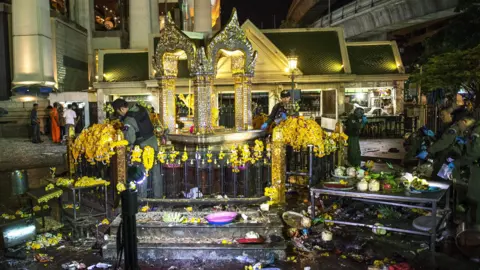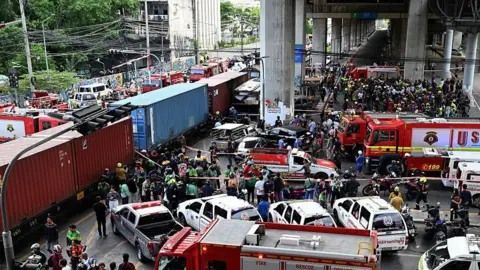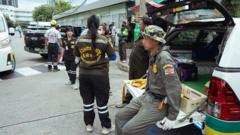
A Bangkok court finally sentenced two men to death after they were convicted for the 2015 bomb that ripped the city’s famous Erawan shrine in half, killing 20 people and wound 120.
Both men, identified as Uyghur nationals from China, were arrested within two weeks of the blast. One was found hiding with bomb‑making chemicals and a forged Turkish passport; the other was seized in Cambodia on suspicion of smuggling.
The investigation has been criticised for speed, missing CCTV footage and alleged human‑rights abuses. The trial lasted more than ten years, with the defendants accused of being denied translators and experiencing intimidation. International organisations call the process a violation of fair‑trial rules.
Despite the years‑long hurdles, Thai judges found enough phone‑call records linking the accused to the scene and to each other, and delivered death sentences. Their lawyers have announced an appeal.
The verdict underscores the heavy toll of pollution between Thailand and China’s treatment of Uyghur minorities, spotlighting national‑security debates that resonate across Asia.