In brief
The UK's Indo-Pacific Minister Seema Malhotra has raised concerns over a significant increase in foreign students seeking asylum after their studies. New immigration proposals suggest waiting times for permanent residency could be extended, reflecting the government's efforts to prevent visa abuse. Approximately 16,000 students applied for asylum last year, prompting these reforms, which aim to align with global immigration practices. Malhotra emphasized the importance of genuine international students while addressing the related issues of visa fraud and exploitation.
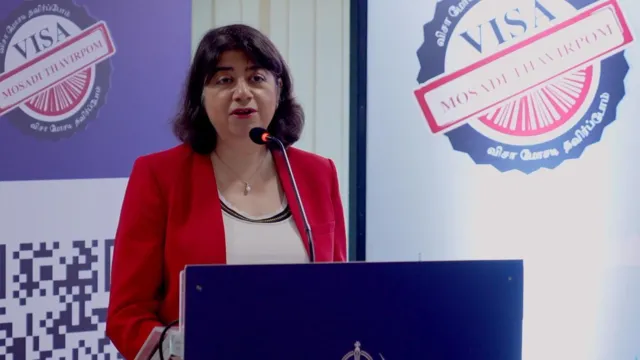
UK's Indo-Pacific Minister Seema Malhotra has defended her government's immigration proposals during a visit to India, while expressing concern about a rise in foreign students seeking asylum at the end of their studies. Under the new plans, some migrants could have to wait up to 20 years before they can settle permanently in the UK and the qualifying period for indefinite leave to remain will be extended from five to 10 years. The proposals will apply to an estimated 2.6 million people who arrived in the country since 2021. They have drawn criticism from some quarters, including a few Labour MPs, even though the Conservatives gave the measures a cautious welcome. The reforms are in line with what countries around the world do to stop the abuse of their immigration systems, Malhotra told the BBC in the southern Indian city of Chennai, adding that there was a very strong message we also send, which is that we welcome those coming legally. According to Malhotra, approximately 16,000 international students applied for asylum in the UK last year after completing their courses, which she identified as evidence of abuse of legal migration routes. A further 14,800 students sought asylum this year to June 2025, according to recent Home Office figures. Malhotra stated, We've seen visa abuse in the case of legal routes, where people have gone legally and then sought to overstay when their visas weren't extended. She added that this level of abuse undermines public confidence and the integrity of the immigration system. India is one of the UK's largest sources of international students; however, their numbers have seen an 11% decline due to tougher immigration rules. The UK intends to maintain its welcoming stance while ensuring that incoming students are genuine. Recently, a free trade agreement between the UK and India has led to plans for UK universities opening campuses in India, further accommodating Indian students. Amid the UK's new immigration landscape, Malhotra has assured that the government is enhancing measures to protect potential victims of visa exploitation and is coordinating with Indian law enforcement to tackle associated criminal networks.