In brief
The U.S. has finalized its exit from the World Health Organization (WHO), leaving behind unpaid dues and concerns about pandemic preparedness. Health experts warn that this withdrawal could severely impact global health initiatives, vaccine development, and early pandemic warnings. The U.S. is still legally required to pay approximately $280 million to the WHO, which poses questions about its financial obligations as it steps away from the organization. The long-term effects of this decision on international health may be detrimental, especially in the face of emerging global health threats.
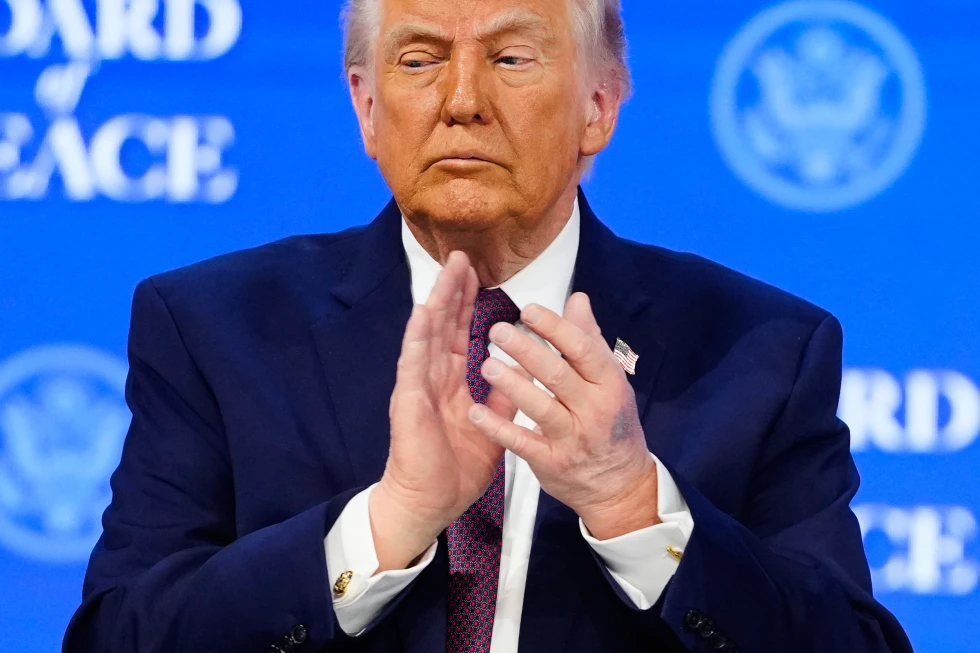
NEW YORK (AP) — The U.S. has finalized its withdrawal from the World Health Organization (WHO), one year after President Trump announced the decision. This departure raises concerns about unpaid dues of about $280 million and the potential loss of access to crucial health data for early pandemic warnings. Experts argue that this decision could cripple the U.S.'s involvement in global health responses and initiatives aimed at combating diseases like polio and supporting maternal and child health programs. Public health experts describe the withdrawal as scientifically reckless, undermining collective efforts required in global health crises. The U.S. needs to address its financial obligations to WHO amid these concerns.