In brief
President Trump’s latest nuclear agreement with Saudi Arabia flips the script on U.S. Middle‑East policy—offering Saudi nuclear tech without demanding Israel‑Saudi ties. The deal dampens Israel’s influence while giving Saudi Arabia a foothold in high‑tech energy. Analysts warn it could trigger an arms race, while U.S. companies see new market prospects. On the global stage, the pact signals America’s shift toward transactional diplomacy and deeper ties with Gulf leaders. The move has drawn criticism from Israeli politicians and U.S. lawmakers who fear regional destabilisation.
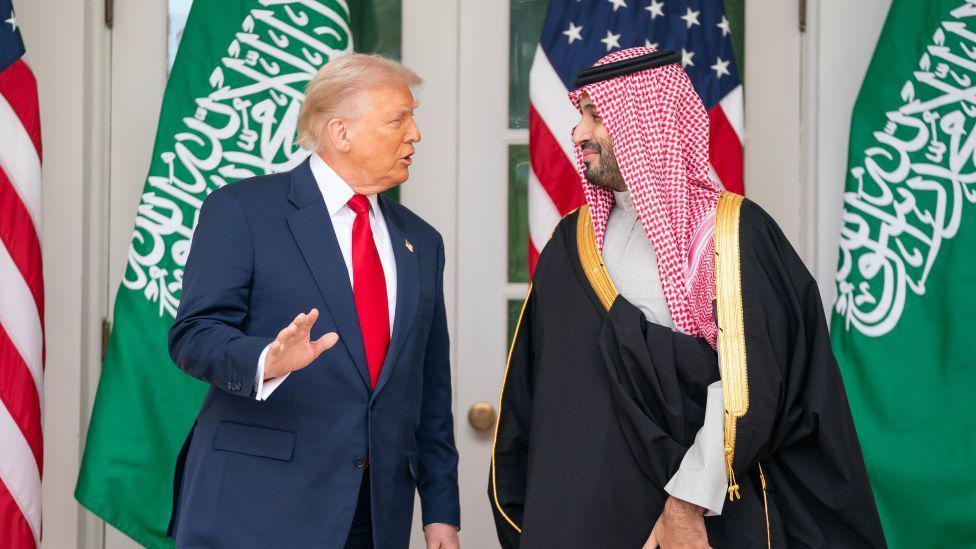
President Trump’s nuclear agreement with Saudi Arabia is turning heads across the globe. Unlike past U.S. deals that linked Saudi nuclear access to Israel‑Saudi normalization, this pact cuts a different track—offering nuclear technology and the right to enrich uranium without requiring a political deal with Israel.
Why it matters
The move signals a shift from the traditional “Israel‑led partnership” to a more transactional approach. Saudi Crown Prince Mohammed bin Salman has long sought U.S. backing for diversification into nuclear power, aiming to reduce oil dependence while keeping a strategic edge over rivals, including Iran. The deal also allows Saudi Arabia to keep its policy stance on an eventual Israel‑Palestine solution unchanged.
Security concerns rise
Critics warn that civilian enrichment could pave the way for a military program. Israeli lawmakers, as well as U.S. Democrats, voice fears of an arms race in the volatile Gulf region. Some note that this could undermine the U.S.‑Israel security partnership, especially as tensions with Iran continue to flare.
Economic upside
From an economic angle, the pact opens a new market for American nuclear firms such as Westinghouse and other energy giants. Saudi Arabia’s nuclear plants could begin humming in a decade, offering a more stable electricity source less commodity‑dependent and potentially buffering future energy shocks.
Take‑away: The agreement is both a promise of progress—diversifying energy—and a flashpoint that could reshape Middle‑East geopolitics. Its long‑term effects will unfold as U.S., Saudi, and Israeli interests clash over the region’s future security and energy landscape.