In brief
The United States has announced new tariffs covering roughly 60 trade partners, including the UK, China, EU, Canada, Japan and India, all dealing with imports that allegedly involve forced labour. The duties range between 10% and 12.5% and are two phases: partners with enforced bans get the lower rate, while those without are hit with the higher tariff. President Trump’s trade strategy has shifted to legal enforcement after a Supreme Court ruling invalidated earlier emergency tariffs. The move could raise everyday prices for Americans and trigger retaliatory measures abroad. Trade representatives plan to investigate an additional 16 countries for overcapacity, setting the stage for further duties later this year.
The United States announced new duties of 10‑12.5% on around 60 key trade partners, marking a sharp move to curb imports tied to forced labour.
Countries such as the United Kingdom, China, the European Union, Canada, Japan and India are on the list, covering about 99.4% of U.S. imports.
The tariffs are a response to the Supreme Court’s decision that earlier emergency duties were illegal, leading the administration to use Section 301 of the Trade Act to enforce labour standards.
Under the new rules, partners that have adopted and are effectively enforcing bans on forced‑labour goods face a 10% levy, while those that have not are subject to 12.5%.
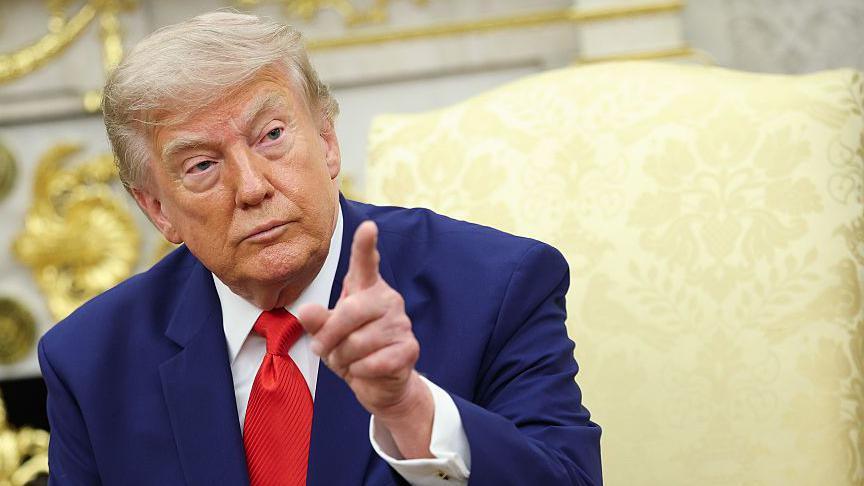
Trump says the move will help create U.S. manufacturing jobs and level the playing field, but economists warn that higher tariffs may drive up prices for everyday items like coffee and microwaves.
The administration plans further investigations into 16 countries for overcapacity, which could lead to more duties later this year, and trade partners are already considering legal challenges or retaliations.