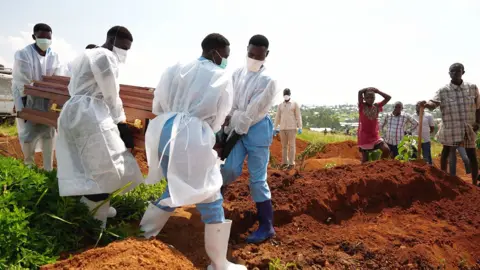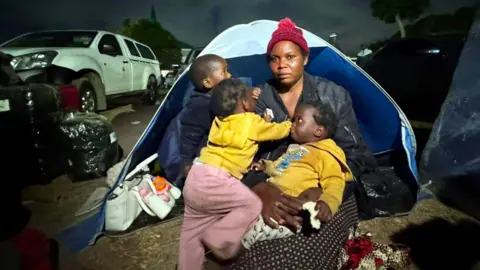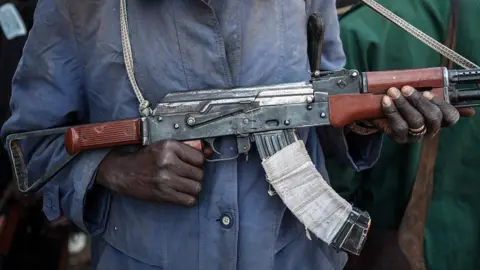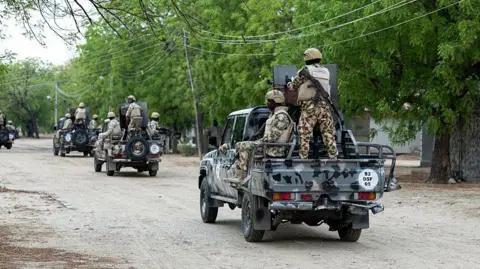
In Nigeria's Plateau State, tensions between Christian farming communities and Muslim Fulani herders have reached alarming levels. Local youth leader Joseph Ize Zino recalls the chilling events of April 2025, when gunmen attacked his village of Zike, resulting in the loss of 52 innocent lives. Despite government reports denying any religious persecution, many in the community argue that they face systematic violence aimed at erasing their identity.
The long-standing competition for land and resources, especially as the population grows, has inflamed the conflict. Cattle, considered a symbol of wealth among the Fulani, serve as a focal point for clashes, often escalating into deeper ethnic and religious disputes.
However, amidst the conflict, there are voices calling for peace. Community leaders like Fulani elder Ardo Wada Waziri stress that the disputes stem primarily from politics and resource competition rather than religious animosity. Recent cooperative farming initiatives seek to bridge the divides, bringing together members from both communities to work toward mutual understanding and security.
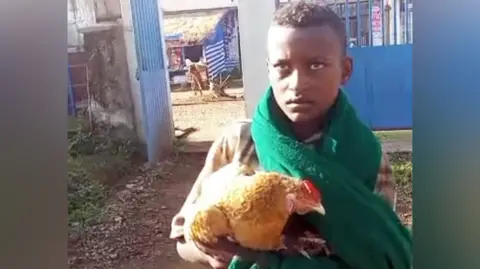
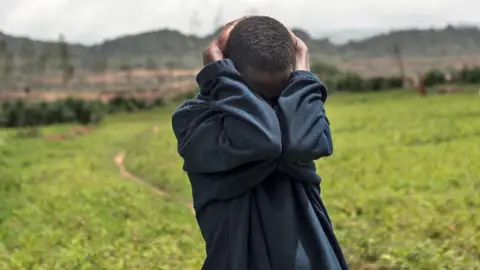
Kids like Aliyu Abdullahi Isa, a young Fulani herder, tell of both the love for their heritage and the painful losses due to violence. Yet, collaborative community efforts, extreme trust issues, and ongoing fear underscore the complex nature of this struggle, with many believing a gradual buildup to harmony is possible if justice prevails for all.
The long-standing competition for land and resources, especially as the population grows, has inflamed the conflict. Cattle, considered a symbol of wealth among the Fulani, serve as a focal point for clashes, often escalating into deeper ethnic and religious disputes.
However, amidst the conflict, there are voices calling for peace. Community leaders like Fulani elder Ardo Wada Waziri stress that the disputes stem primarily from politics and resource competition rather than religious animosity. Recent cooperative farming initiatives seek to bridge the divides, bringing together members from both communities to work toward mutual understanding and security.
Kids like Aliyu Abdullahi Isa, a young Fulani herder, tell of both the love for their heritage and the painful losses due to violence. Yet, collaborative community efforts, extreme trust issues, and ongoing fear underscore the complex nature of this struggle, with many believing a gradual buildup to harmony is possible if justice prevails for all.