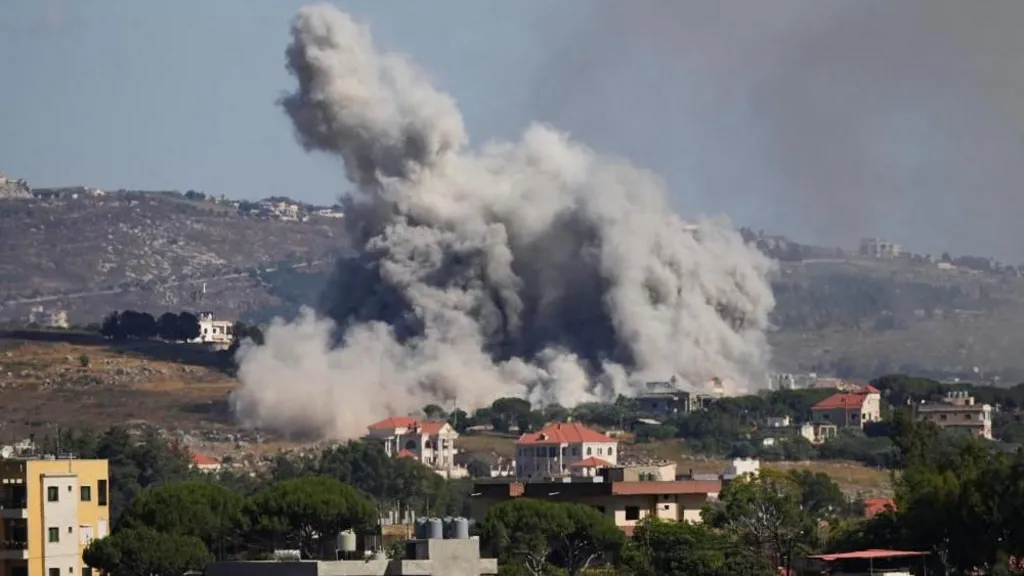
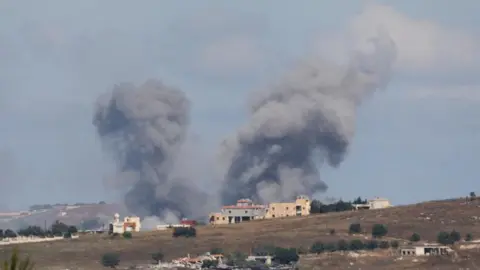
Warning: this article contains details which some readers may find distressing. Until now, the war had been something happening in distant parts of Tehran, untouched by the lives of people like 'Setareh' and her colleagues. But one day, she heard ominous noises and vibrations that prompted her to question if it was a bomb. Panic ensued among her coworkers as they scrambled to safety, but the chaos led to the closure of her workplace. Now, with nightly bombings disrupting her sleep, Setareh struggles with anxiety about the present and her uncertain future, especially considering the economic hardships shared by millions of Iranians. Even before the war, the economy was in crisis with skyrocketing food prices. Many fear that if the war concludes without significant changes, another conflict will erupt as joblessness mounts, leaving people like Setareh and her friends with no support. Health workers like Tina express grave concerns about medical shortages resulting from the war, while others like Behnam, a former political prisoner, live in constant fear of repression should protests arise again. Despite everything, there is a glimmer of hope among the despair; many Iranians believe change is possible, although the cost of such a change remains uncertain.
Voices of Despair: Iranians Under Siege Amid Ongoing War
Voices of Despair: Iranians Under Siege Amid Ongoing War
Iranians share their harrowing experiences of daily life as the conflict rages on, detailing sleepless nights, economic struggle, and fears of future violence.
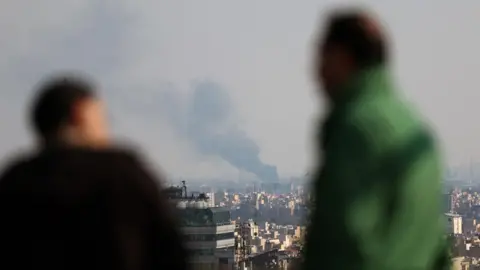
A month into the war in Iran, countless citizens, including a young woman identified as 'Setareh', recount the escalating chaos and despair engulfing their lives. The constant threat of bombings disrupts daily routines and exacerbates existing economic struggles, leaving many without jobs or basic necessities. Reports reveal widespread anxiety and a fading hope for change amid mounting desperation. As witnesses to the horrors of war, individuals express fears not just for their current conditions but also about what the future holds.