In brief
Theyyam, a vibrant ritual in Kerala, showcases the interplay of art, spirituality, and tradition. Performers dress as gods, engaging in dramatic acts that blend theatre and worship, reflecting a deep-rooted cultural heritage.
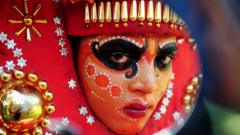
In the lush state of Kerala, the ancient ritual known as theyyam transforms ordinary individuals into divine beings, captivating audiences for nearly 300 years. The performances blend tribal traditions and Hindu mythology, and every show is not just a spectacle but a heartfelt devotion to the deities. Predominantly featuring male performers from marginalized backgrounds, theyyam showcases elaborate costumes, dynamic dances, and trance-inducing music.Each year, approximately a thousand theyyam performances are staged, especially between November and April. Set against the backdrop of ancestral homes and temples, the performances highlight themes such as ancestral honor, warrior worship, and reverence for nature. KK Gopalakrishnan, an enthusiast and historian, documents this vibrant legacy in his book, *Theyyam: An Insider's Vision*, celebrating its evolution, including the participation of Muslim performers.The intense rituals often involve daring feats like fire-walking and prophesying, illustrating the performers’ superhuman energy. Theyyam's performances are visually dramatic, with vibrant face paint that brings deities alive, such as Raktheswari — a fierce incarnation of the goddess Kali. Artists undergo a transformative process to embody their roles, resulting in breathtaking displays that captivate thousands.It's a communal affair where the family matriarch plays a pivotal role, ensuring the rituals are upheld. As performances unfold, the audience witnesses not just the artistry but also a fervent intertwining of devotion and spirituality that defines the essence of theyyam.