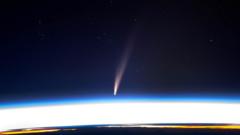
Get ready, stargazers! Comet C/2024 G3, also known as Atlas, is making its grand entrance, and it’s a sight you won't want to miss! This shimmering celestial body, spotted last year by NASA, is predicted to light up our skies over the next few days, being potentially visible to the naked eye for the only time in an astonishing 160,000 years.
Currently, the comet is at its closest point to the Sun, known as perihelion, which means it may appear exceptionally bright. Experts suggest that it could shine even brighter than Venus! While the exact locations for viewing may vary, the southern hemisphere appears to be the hotspot for optimal observation.
Dr. Shyam Balaji, a researcher from King’s College London, notes that while current calculations suggest the comet will come within 8.3 million miles of the Sun, predicting its brightness can be tricky, as comets are known for their unpredictable nature. He encourages southern observers to look towards the eastern horizon before sunrise and the western horizon after sunset for their best chance to catch a glimpse.
While northern hemisphere viewers might have a tougher time spotting the comet due to its positioning relative to the Sun, don’t lose hope! Utilize clear sky resources and find a spot away from city lights to enhance your chances. A pair of binoculars or a small telescope may also help!
Excitement buzzed over the weekend when NASA astronaut Don Pettit captured a stunning image of the comet from the International Space Station, describing it as an "amazing" experience.
So grab your stargazing gear, and keep an eye on the skies—this comet promises to be a breathtaking show like no other!