In brief
The Geminid meteor shower, one of the most stunning celestial events, is hitting its peak this weekend. Expect to see a brilliant display of shooting stars, especially from the Northern Hemisphere, where clear skies will provide the best views. Learn about the origins of the Geminids, how to watch them, and tips for maximizing your experience, despite potential moonlight and cloudy conditions.
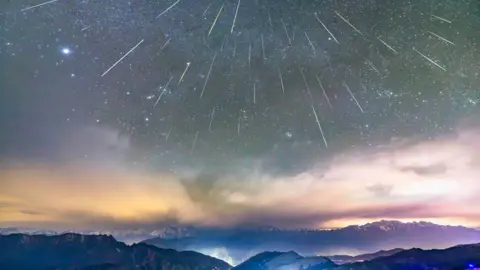
The Geminid meteor shower - one of the most spectacular in the celestial calendar - is set to peak this weekend and astronomers say conditions could make for an especially striking show if weather permits. The meteors are visible all over the world, though people in the Northern Hemisphere will get the best views. In the UK, if the skies are clear, a waning crescent Moon will only rise after midnight which should mean several hours of dark skies to see the meteors more clearly. Here’s the science behind the Geminids and how to get the best chance of seeing them.**What is the Geminid meteor shower?**We get treated to meteor showers when Earth passes through the trails of comets - icy objects which Nasa calls 'cosmic snowballs' - or in rarer cases, including the Geminids, asteroids, which are rocky. When dust and gases from these objects enter our atmosphere, they burn up and create the bright streaks we know as shooting stars. While most meteors appear white, some can glow green, yellow, red, or blue, depending on the elements in the material as it burns up in Earth's atmosphere. The Geminids shower comes from the remnants of an asteroid called 3200 Phaethon.**Will moonlight spoil the show this year?**Bright moonlight can make it more difficult to see meteors and other objects in the night sky. But weather permitting, we could have close to ideal viewing conditions as the Geminids peak. The crescent Moon is in its final waning phases, with the bulk of it in shadow, and it won’t rise in the UK until the early hours of the morning, potentially giving us a nice dark sky to watch the spectacle. Do keep in mind that visibility is still heavily influenced by weather conditions.**Tips for night-sky enthusiasts**The Geminids are a naked-eye event, best enjoyed under dark, open skies, so you won’t need a telescope or binoculars. Dress warmly, take a blanket or reclining chair, and let your eyesight adapt to the dark. The meteors appear to radiate from the constellation of Gemini; looking slightly away from that point often provides a wider field of view.**What will the weather be like for the Geminids peak?**The Geminids meteor shower peaks on Sunday 14 December. Unfortunately, the weather in the UK isn’t looking ideal for viewing, with both Saturday and Sunday expected to be windy and cloudy. However, there may be drier, clearer spells, particularly in Northern Scotland, the Northern Isles, and southeast England, giving the best chances to glimpse this cosmic event.