In brief
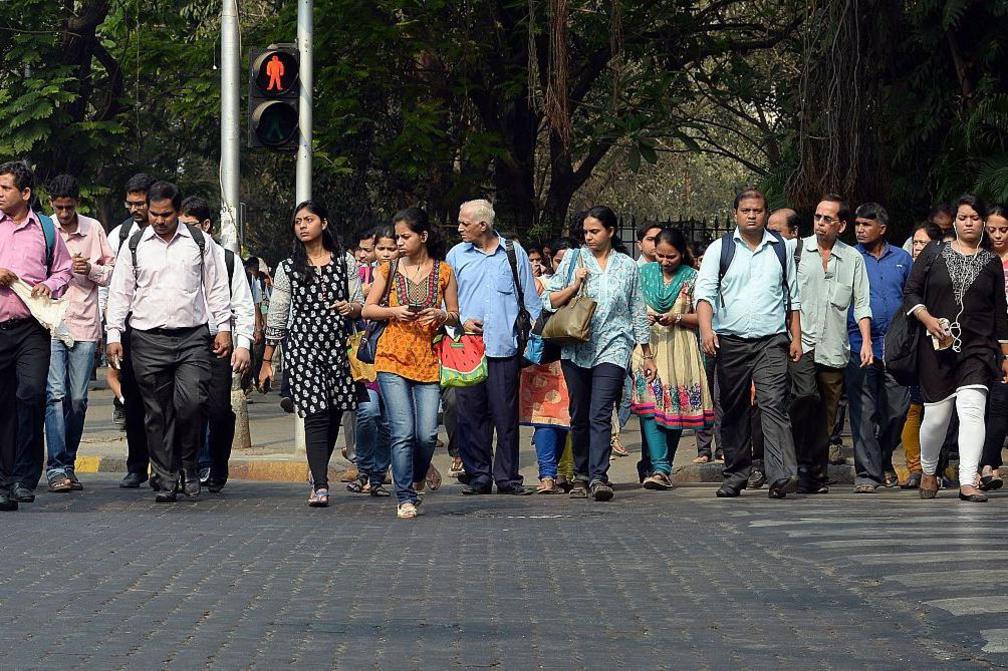
India has 45 million walkers everyday, yet many streets deny them safe routes. A Supreme Court ruling now calls footpaths a fundamental right, but the city grid still favors cars. In Mumbai, Delhi and beyond, broken, blocked or non‑existent pavements trap commuters, especially women and the disabled. The verdict sparks debate over redesigning streets, lowering speed limits, and giving sidewalks their due space—turning footpaths from forgotten to essential. This is more than policy; it’s a call to rethink what it means to move through a city.
Walking rights, city sins. Think of a world where you’d be fined for crossing the road. That’s what 45 million Indian commuters experience—no safe sidewalks, no clean crossings, and no say in city design.
Groundbreaking verdict. The Supreme Court last month declared a protected footpath a basic human right, downing the legal floor that cars could dominate the road. Yet runners and shoppers still face broken pavements and parked cars that turn walking into a risky foothold.
Real‑world impact. In Mumbai and Delhi, pedestrians serve as the first line of traffic accidents –up to 30%– and blind piles of dust, construction and highway noise feed into their daily walk.
Where does change start? City planners can lower speed limits, widen lanes for pedestrians, and treat footpaths as public networks, not afterthoughts. This means building more footbridges, designating street vendors with shaded stalls, and placing play areas for children.
What the future looks like. Imagine a city where the sidewalk’s width equals the street’s purpose, safe shelters run the length of the road, and the populace walks without the fear of a rumbling motorbike or a rogue truck. A fundamental right shouldn’t just be legal jargon—it should transform everyday hustle into safe, healthy movement.