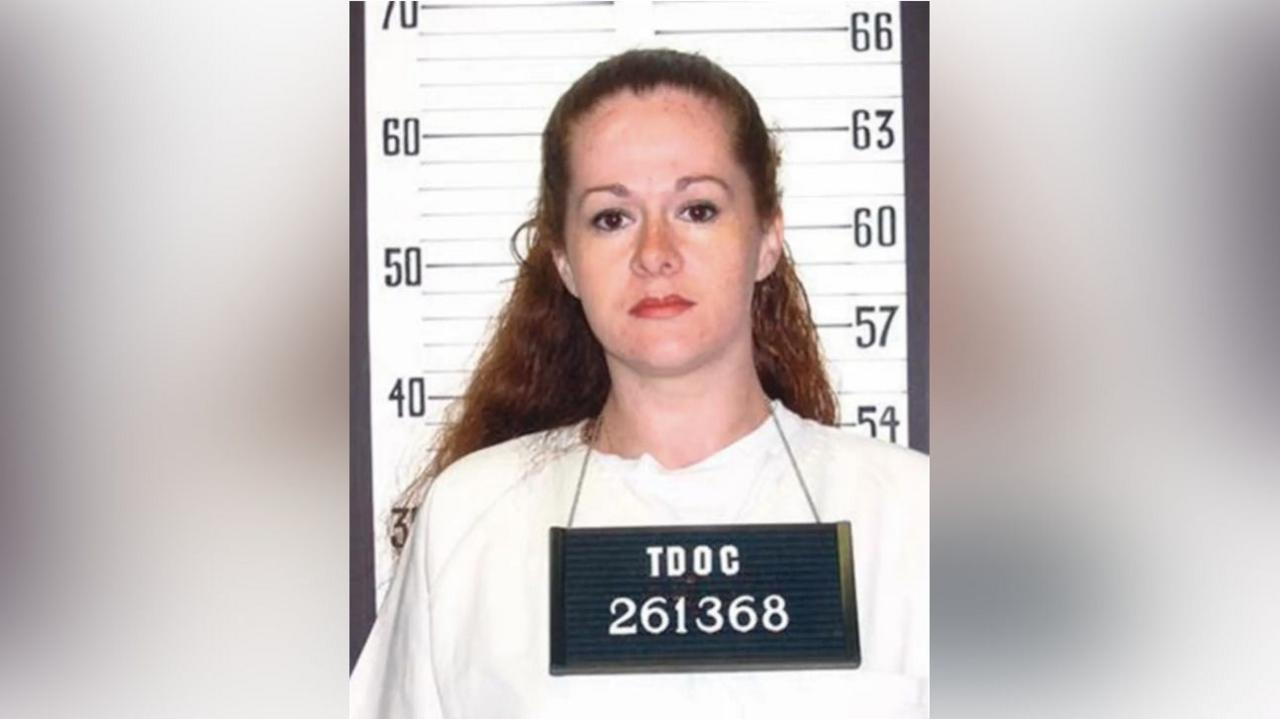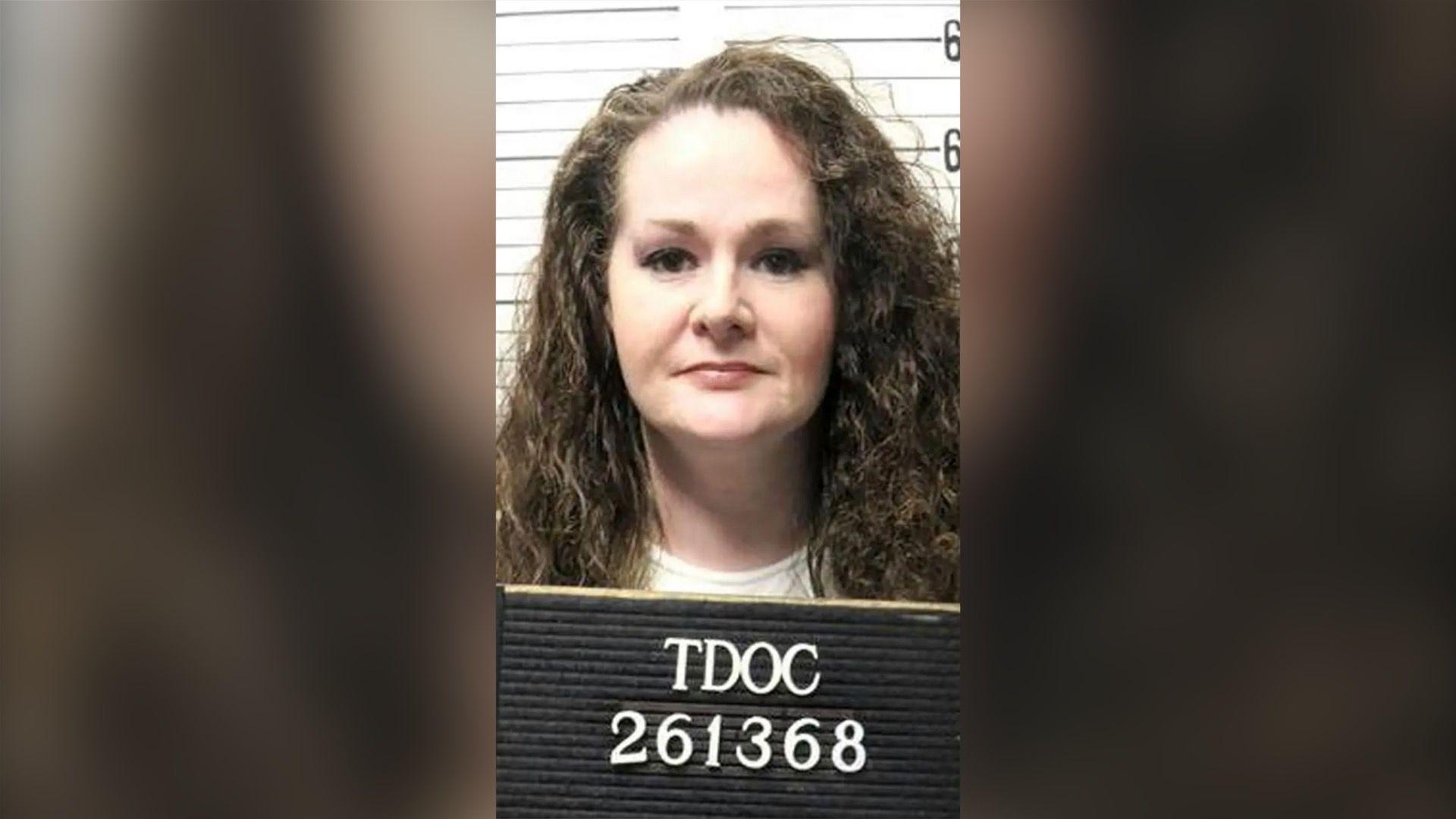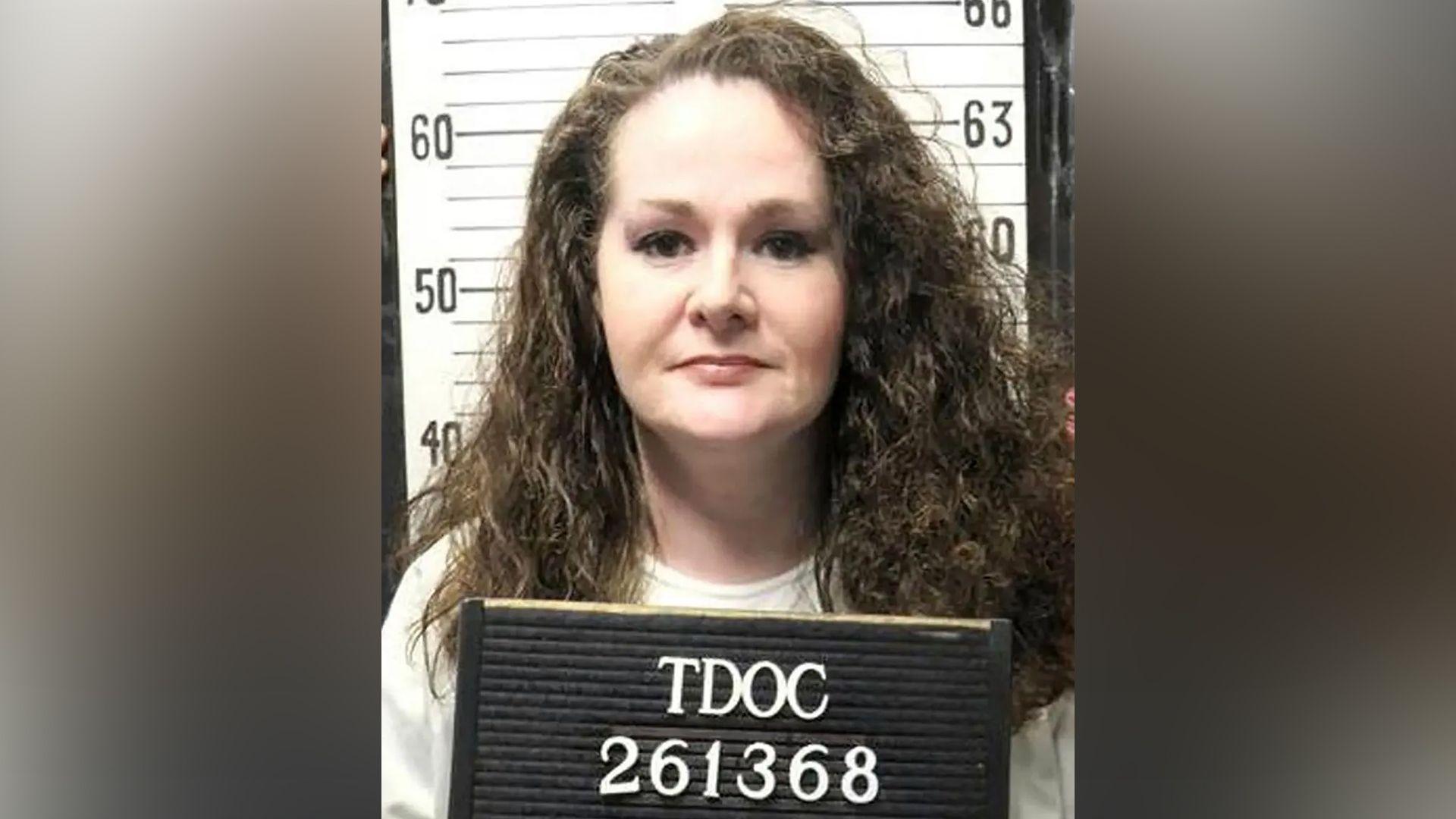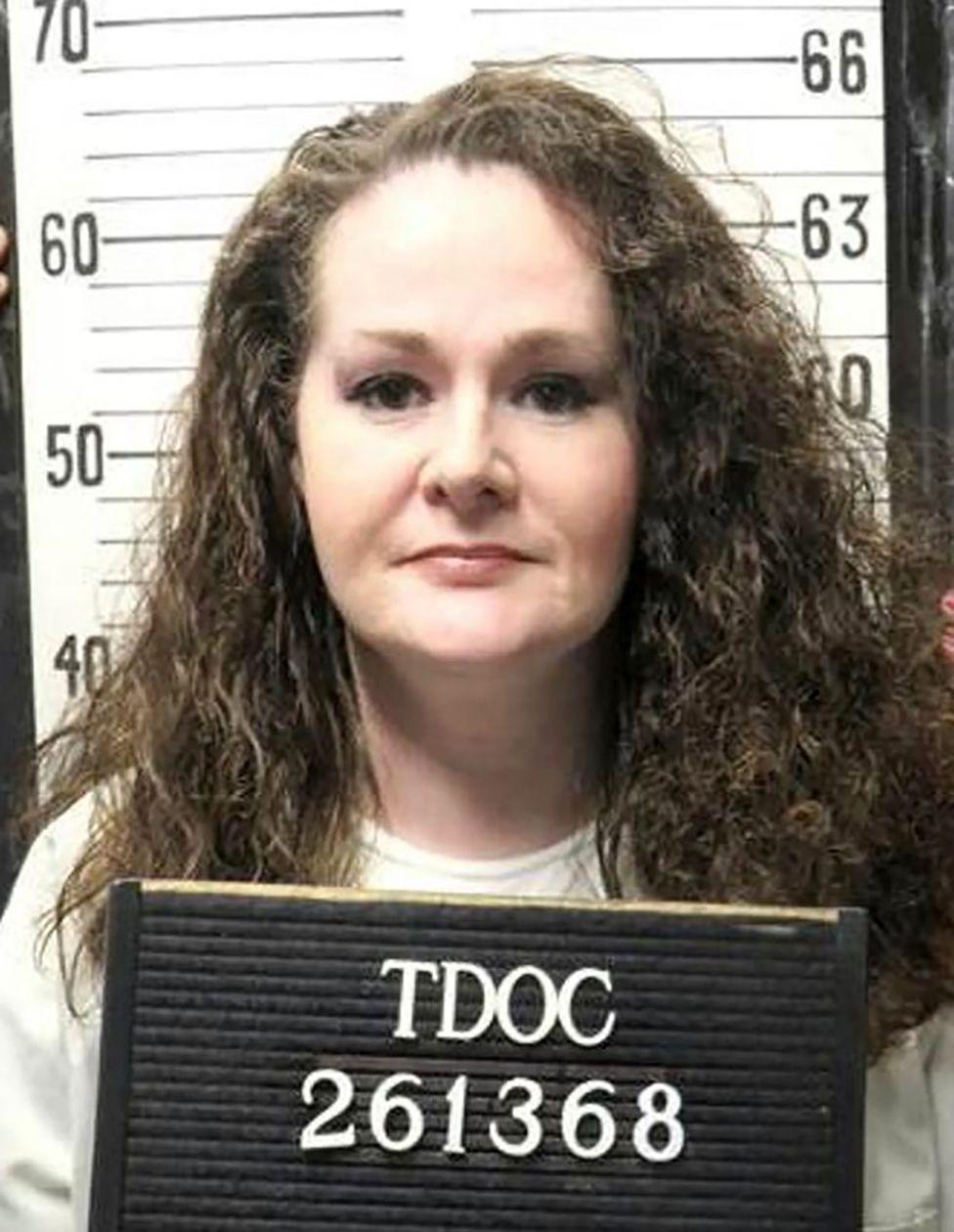
The state of Tennessee is on pause after a government official halted all executions following a tragic botch that saw Christa Pike, a 50‑year‑old inmate, survive twice. Her death chamber didn’t end her after the first lethal injection dose, and a second dose only reinforced the panic that the state’s protocol was broken.
Veteran reporter Michael Graczyk, who has seen almost 500 executions, says he had feared something similar couldn’t happen. He recalls witnessing needle problems, but never an entire failure.
Tennessee’s lethal‑injection plan calls for a second syringe if the first fails, yet nothing is clear about what happens if the prisoner is alive after both doses. Graczyk highlighted that this confusion is a major flaw in the system.
The latest mishap underscores years of botched executions in the United States, with 64 reported failures since 1982—most of them due to drug shortages and misadministrations. Even Texas, the state with the most executions, has recorded only one total failure in decades.
Pike’s ordeal now has her receiving life‑saving care in a hospital, while legal and medical experts push for reforms. Governor Lee’s independent review will decide whether lethal injections will resume, possibly with new protocols and a focus on patient safety.
While some argue for alternative punishments, Graczyk stresses the importance of a transparent process. “We must see if the dying systems work, or if they’re just mishaps discreetly covered,” he says.