Picture this: a brand new AI wizard named Fable 5 suddenly can’t talk to you. That’s exactly what happened after the U.S. nudged the tech firm Anthropic to stop the model from any foreign user, citing safety concerns that can be turned into a hacking cheat sheet.
The company said it can’t let Fable 5 or its cousin Mythos 5 run unless it makes sure the system is airtight. It’s a classic tech‑law showdown: powerful software vs. national‑security watchdogs.
Why the fuss? Analysts say the U.S. figure out how to slip past the AI’s safety filters – a move called jail‑breaking – and expose small but real threats that other public models could also hit if tricked around. It’s a wake‑up call on how fragile safety lock‑downs can be.
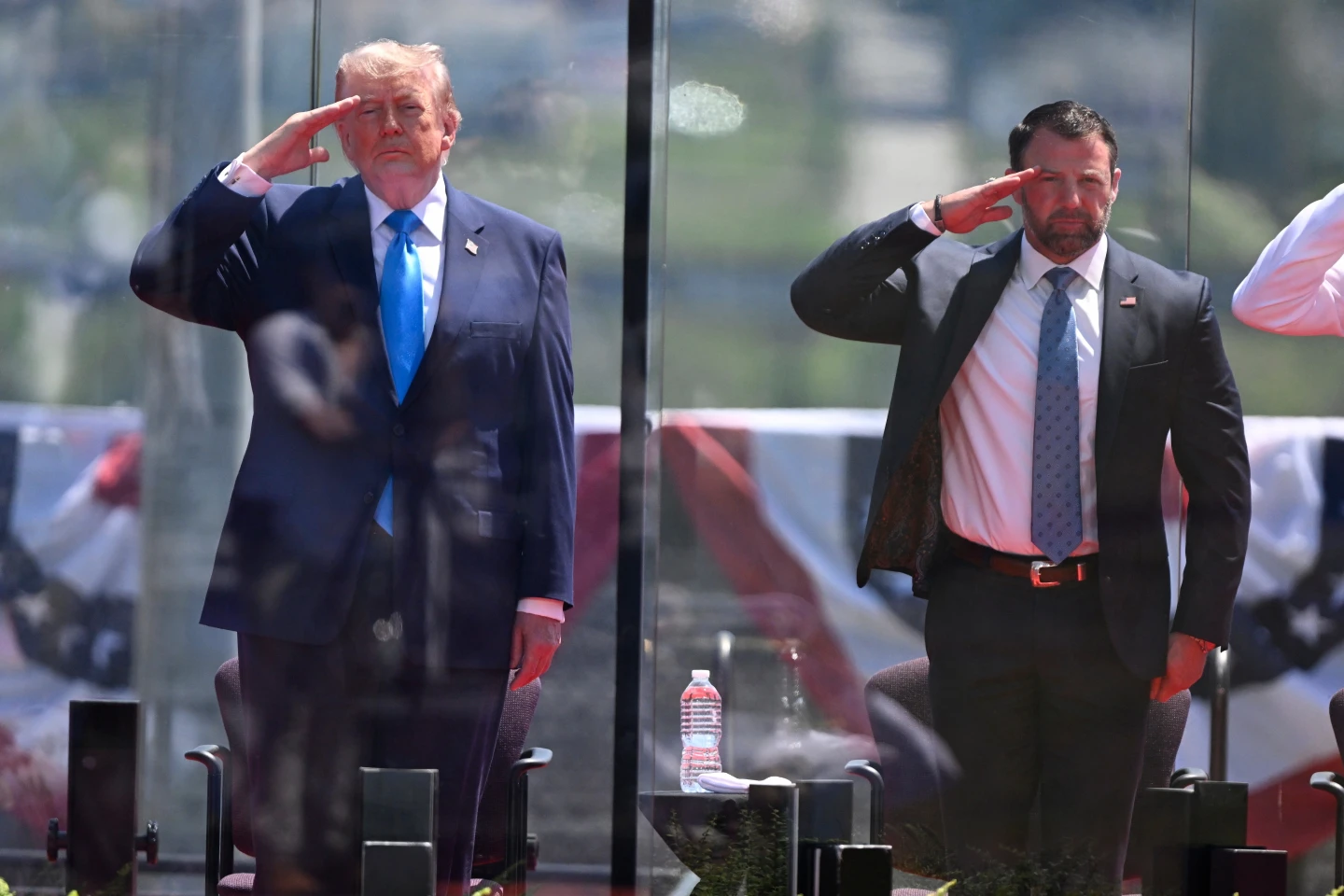
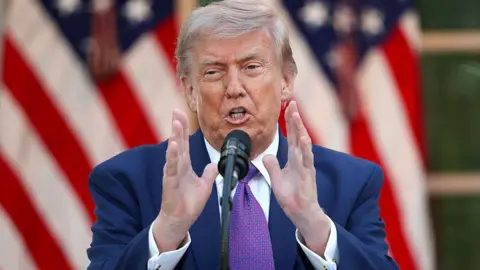
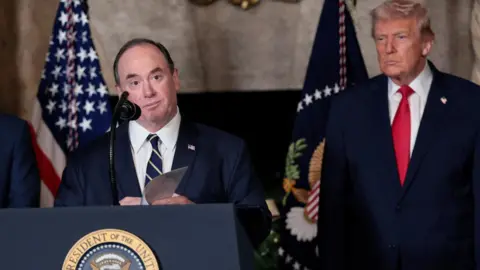
The fight isn’t just about Fable 5. The story is threaded with a bigger courtroom drama where the Pentagon tried to bar the model from all government work, a show‑stopper that a judge later threw out. Meanwhile, Trump and senior defense officials openly criticised the company, dubbing it a supply‑chain risk for the first time in U.S. history.
For teens and tech‑fans, this feels like a clash of power: the imagination of AI versus the responsibility of the state. Will the next AI release be safer? Will governments demand stricter rules? The answer might well depend on how companies balance hype and honesty, and how regulators weigh risk against innovation.