In brief
With an estimated 6 to 10 hurricanes predicted, experts express concern over reduced staffing affecting storm forecasts.
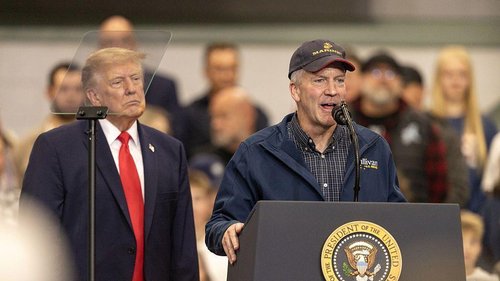
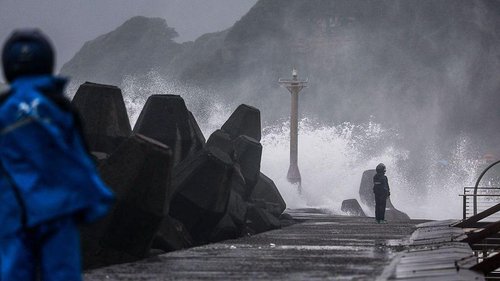
The upcoming Atlantic hurricane season, running from June to November, is projected to be busier than normal, with six to ten hurricanes anticipated. This forecast comes from NOAA (National Oceanic and Atmospheric Administration) as warm sea temperatures, likely influenced by climate change, provide ideal conditions for hurricane formation. Despite this year’s forecast being slightly lower than last year's unusual activity—which saw 18 tropical storms and 11 hurricanes—it's still above the long-term average of 14 named storms yearly. Experts attribute this uptick to warmer sea temperatures and a likely La Niña pattern, which can influence hurricane development positively. However, the alarm bells are ringing due to significant staffing cuts within NOAA during President Trump's tenure. Hundreds of researchers were let go in efforts to reduce government spending, which leaves crucial weather forecasting branches, like the National Weather Service, struggling with reduced personnel ahead of hurricane season. Climate scientists have raised concerns about the implications of this understaffing on forecasting accuracy and preparedness. “Less data means a worse forecast,” noted one Houston-based meteorologist, highlighting fears that cuts may hinder efforts to gather essential atmospheric data, crucial for predicting storm paths. Experts warn that current challenges could lead to life-threatening situations during severe weather events. Staffing shortages have also impacted key operations essential for understanding storms, such as hurricane hunter flights and weather balloon launches. It remains uncertain how these developments will influence the 2025 hurricane season. Yet scientists emphasize the importance of maintaining a robust system for gathering information on atmospheric and oceanic conditions globally. If cuts continue, there are fears that forecasts could suffer not just in the U.S. but worldwide, affecting overall climate understanding and preparedness.NOAA claims it is committed to protecting public safety with the best available science during the forthcoming hurricane season.