In brief
As anti-war sentiment rises, a significant portion of the Israeli population expresses the desire for a resolution, questioning government tactics in Gaza.
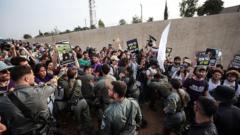
As the war in Gaza escalates, a wave of criticism is surfacing within Israel. Prominent figures like Yair Golan, formerly of the Israel Defense Forces, have condemned the actions, suggesting the country risks being seen as a "pariah state" if humanitarian conduct doesn’t improve. Golan stated that a “sane” nation doesn’t indiscriminately harm civilians.Former defense officials echo similar concerns, labeling government policies as destructive. Though Prime Minister Netanyahu asserts the aim is to eradicate Hamas, polls show that 61% of Israelis want an end to the conflict. On the streets, protesters carrying images of children affected by the war demonstrate against the military offensive, with a notable presence from the anti-war group Standing Together. They emphasize that ongoing hostilities jeopardize not only Palestinian lives but also Israeli hostages and soldiers. Calls for peace are intensifying among reservists and families of hostages, insisting negotiations are essential. However, opinions differ. While some demand an end to the fighting, others believe military action is justified. Internationally, the UK has sanctioned Israeli settler groups and halted discussions on a trade deal over the escalating violence in Gaza. The EU is reconsidering its partnership with Israel, indicating a growing international response to the crisis. As sentiment shifts, many in Israel believe the current trajectory of the conflict is unsustainable, and dialogue for peace is increasingly necessary.