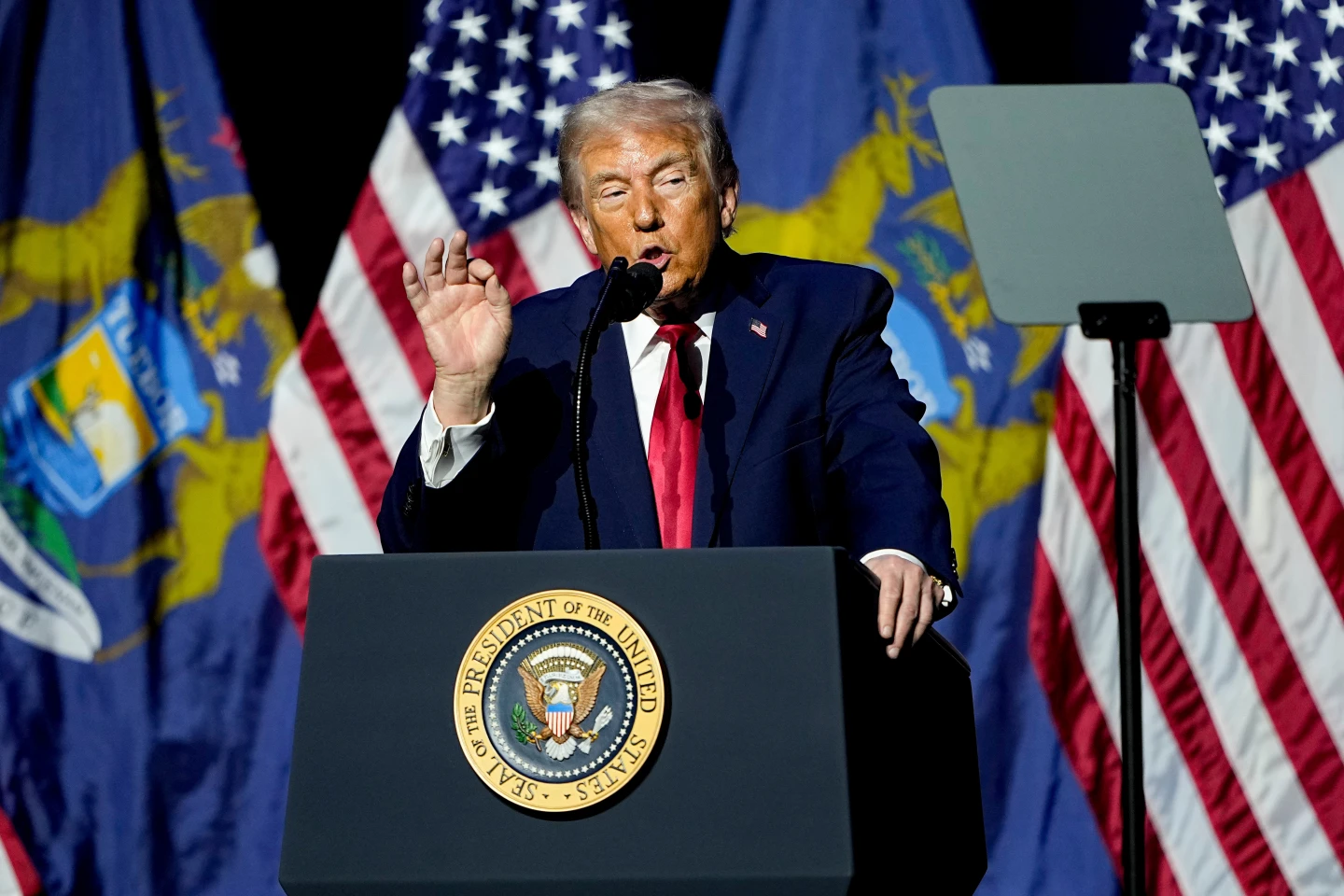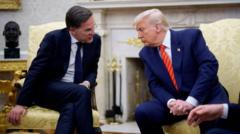
As NATO countries prepare for a summit in The Hague, President Donald Trump is expected to dominate the agenda. NATO Secretary General Mark Rutte is keen to ensure a united front and fulfill Trump's demands for increased defense spending from European allies. The goal is to secure a commitment that meets Trump's insistence on higher financial contributions from those nations, akin to his previous criticisms during his first term.
The summit, which spans two days, will focus on critical issues yet aims to limit discussion time - setting a three-hour window for main discussions and condensing the summit statement to just five paragraphs. This brevity may cater to Trump's style, but it also serves to obscure any existing divisions among NATO members regarding trade and responses to Russia.
European nations are indeed boosting their defense budgets, partly influenced by both Trump and the looming threat from Russia. However, many countries still struggle to meet the prior goal of 2% of GDP set over a decade ago. Rutte's new compromise proposal includes a revised target of 3.5% for core spending, but definitions of what counts as defense-related expenditure may allow for significant flexibility, potentially undermining the urgency of these commitments.
Compounding the situation, NATO's strategies regarding Russian aggression lack transparency, creating a gap in the alliance's preparedness, particularly as the conflict in Ukraine escalates. Even so, discussions about NATO's new approach to Russia, a significant point of contention, may be sidelined to avoid disagreement with Trump.
As leaders, including Ukrainian President Volodymyr Zelensky, prepare for this high-stakes meeting, the outcome is uncertain. With Trump’s opinions clashing with those of both European allies and the security landscape in flux, the summit's success hinges on navigating these complex dynamics.