In brief
While the Band Aid charity single highlights generosity towards crisis, criticism regarding its stereotypical representations of Africa continues. Voices like Ethiopian official Dawit Giorgis and modern artists such as Ed Sheeran emphasize the need for respectful narratives that celebrate African agency.
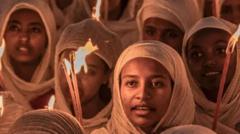
In January, Orthodox Christians in Ethiopia celebrate Christmas on the 7th, sparking renewed discussions around the iconic charity song "Do They Know It's Christmas?" As the world reflects on four decades since its original release, questions about its impact and representation are surfacing once more. Initially launched in response to the Ethiopian famine of the 1980s, the song was a collaboration among some of the most notable British and Irish stars, including Bob Geldof and Midge Ure. Despite its charitable intentions, the track's lyrics have drawn criticism for perpetuating stereotypes about Africa as a place devoid of life and hope.Dawit Giorgis, an Ethiopian official involved in the response to the famine, expressed frustrations, highlighting that Ethiopians have celebrated Christmas long before the song's creation. While he acknowledges that the fundraising efforts saved lives, he feels the portrayal in the song neglects Ethiopia's rich cultural identity.The recent revival of the song features new mixes and further highlights such controversies. Criticism from contemporary artists, including Ed Sheeran and British-Ghanaian rapper Fuse ODG, underscores a growing need for narratives that empower Africans instead of depicting them as victims. Furthermore, organizations like Bond argue that the song's imagery continues to reinforce outdated and harmful stereotypes about Africa. In today's context, many advocate for African artists to take the helm in telling their stories, emphasizing collaboration over a savior narrative.The shift in campaigning strategies reflects a broader understanding of how aid can be perceived. As the conversation around charity evolves, the past mistakes of Band Aid serve as a reminder of the importance of dignity and accurate representation in global narratives surrounding crises. This ongoing discourse emphasizes the call for a new melody where Africa's stories are co-authored by its people.