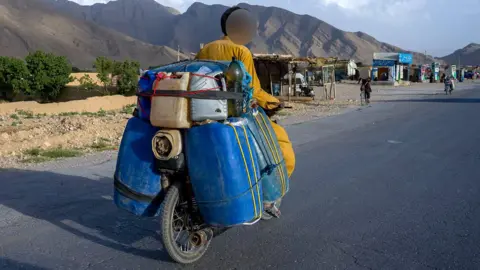
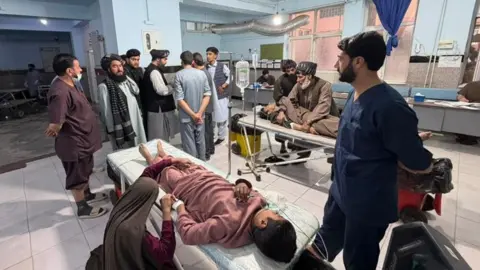
As dawn breaks, hundreds of men gather at a dusty square in Chaghcharan, the capital of Ghor province in Afghanistan. They line the roadside with weary faces, hoping someone will come along offering any work. It will determine whether their families eat that day. Yet the likelihood of success is dismally low. Juma Khan, 45, recounts having found just three days of work in the past six weeks, earning a meager wage. He shares the heart-wrenching reality: My children went to bed hungry three nights in a row. My wife was crying, so were my children. So I begged a neighbor for some money to buy flour. I live in fear that my children will die of hunger. This story unfolds against a backdrop where a staggering three in four Afghans cannot meet their basic needs, as reported by the UN. The country is rife with unemployment, struggling healthcare, and reduced aid, pushing many fathers like Abdul Rashid Azimi and Saeed Ahmad to consider selling their children just to feed their families.
Desperate Choices: Afghan Fathers Face Harrowing Decisions Amidst Poverty
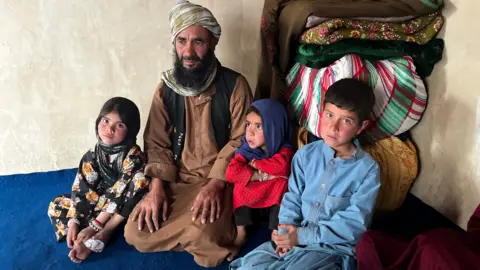
Desperate Choices: Afghan Fathers Face Harrowing Decisions Amidst Poverty
Dads in Afghanistan are making gut-wrenching choices as they struggle to feed their families. With widespread unemployment and skyrocketing hunger, some fathers are forced to think about selling their children just to survive.
In Afghanistan, a shocking three out of four individuals cannot meet their basic needs, prompting many desperate fathers to contemplate selling their children to provide for their families. This article explores the heart-wrenching stories of men like Abdul Rashid Azimi, who is willing to sell one of his daughters to ensure the survival of his other children. Amidst severe unemployment and famine, the devastating choices they face highlight a national crisis driven by the Taliban's restrictions and dwindling international aid.