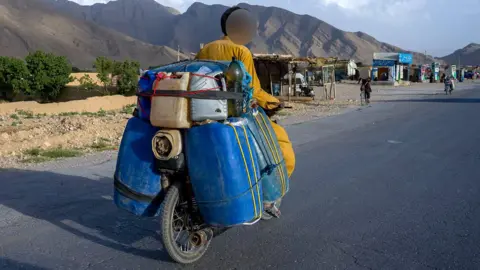
As dawn breaks, hundreds of men gather in Chaghcharan, Afghanistan, hoping for work that will determine if their families eat that day. However, the likelihood of success is low, with many having only found scattered days of work in weeks.
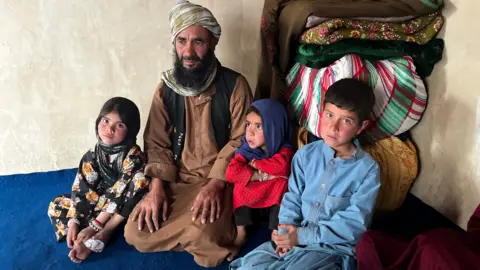
Stories from fathers like Juma Khan reveal the heartbreaking reality: children going to bed hungry, and desperation leading to the unthinkable – some considering selling their own children to escape the clutches of poverty.
According to the UN, three in four Afghans cannot meet basic needs, and record hunger levels see millions teetering on the brink of famine. In provinces like Ghor, the stark desperation of men like Abdul Rashid Azimi, who fights against the heart-wrenching choice of selling his daughters for food, paints a grim picture of survival.
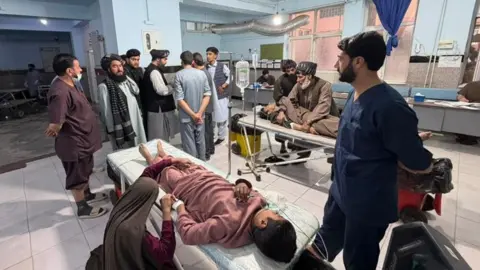
Medical systems are collapsing, with hospitals strained under soaring patient numbers, high infant mortality rates, and parents forced to make painful trade-offs to keep any hope of survival alive.
This crisis poses deep questions about the sustainability of life for families in Afghanistan. The Taliban's response is limited, with external assistance dwindling due to global political tensions, leaving millions to fend for themselves amidst an escalating humanitarian disaster.