Meet the virtual parents
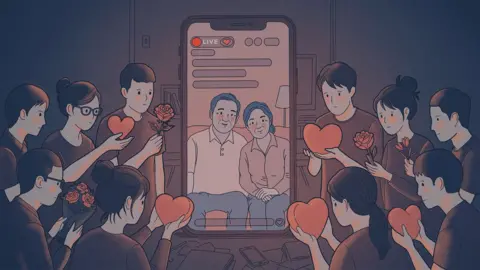
In Shanghai, tech‑worker Vincent Zhang looks to his phone for more than code. During lunch breaks he checks the live feed of a middle‑aged couple on Douyin – Pan Huqian and Zhang Xiuping – who act as “virtual parents” for millions of young followers.
The duo, with almost two million followers, livestream sweet encouraging messages. “Are you tired from work and study lately? Don’t push yourself too hard,” the footage shows, and viewers comment as if speaking to real parents, asking for congratulations and blessings.
Vincent says his parents don’t give him the reassurance he needs. “They never say I am good enough,” he explains, while the virtual parents ask, “Are you happy today?” This gentle check‑in offers a reprieve from the crushing expectations that many Chinese youth feel.
The phenomenon reflects a larger wave of digital parenting. Young users, in the wake of a booming economy that turned into a highly competitive job market, seek community and emotional support on platforms like Douyin. “Virtual parents are mass‑produced now and are signed with companies,” Vincent admits, yet he appreciates the “little bit of warmth” that the content delivers.
For many, these videos have become a friend in a time of isolation, offering stories, advice, and a sense that someone cares. It’s a new, unexpected family that lives in the comments section and the hearts‑reacted feed.