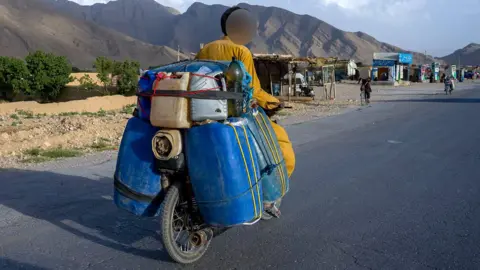
As dawn breaks, hundreds of men gather at a dusty square in Chaghcharan, the capital of Ghor province in Afghanistan. They line the roadside with weary faces, hoping for someone to offer any work that might determine whether their families eat that day. Yet the likelihood of success is slim.
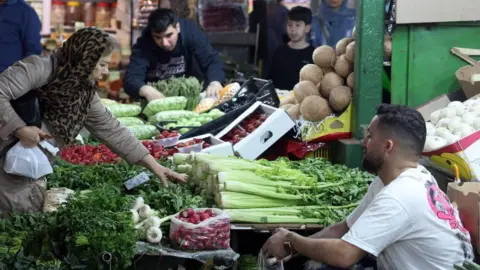
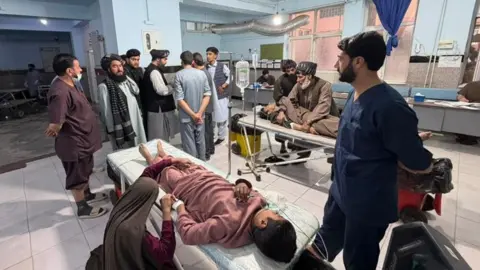
Juma Khan, 45, has had just three days of work in six weeks, barely earning enough to keep his children fed. He voices the struggle shared by many fathers: 'My children went to bed hungry three nights in a row.' With three in four Afghans unable to meet their basic needs, the UN warns that record levels of hunger are now afflicting the nation.
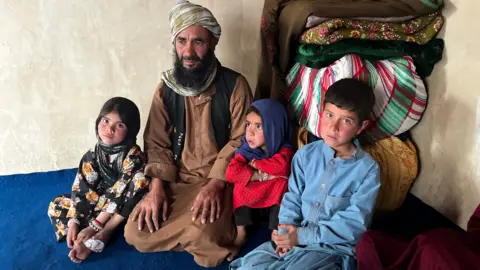
As the situation grows more dire, fathers like Abdul Rashid Azimi have contemplated selling their daughters. He shares poignant moments at home with his seven-year-old twins, stating, 'I'm willing to sell my daughters. I come home from work with parched lips, hungry, distressed. I could feed the rest of my children for at least four years if I sold one.'
The heartbreak is compounded by cultural norms that undervalue the role of daughters compared to sons, further pushing fathers to consider such irreversible actions.
The stories of Abdul, Juma, and many others underlie a heartbreaking struggle for survival in a country where hopelessness overshadows day-to-day life. The need for immediate humanitarian support is more pressing than ever as millions face an uncertain future with many tragedies awaiting at the doorstep of their desperate choices.
Juma Khan, 45, has had just three days of work in six weeks, barely earning enough to keep his children fed. He voices the struggle shared by many fathers: 'My children went to bed hungry three nights in a row.' With three in four Afghans unable to meet their basic needs, the UN warns that record levels of hunger are now afflicting the nation.
As the situation grows more dire, fathers like Abdul Rashid Azimi have contemplated selling their daughters. He shares poignant moments at home with his seven-year-old twins, stating, 'I'm willing to sell my daughters. I come home from work with parched lips, hungry, distressed. I could feed the rest of my children for at least four years if I sold one.'
The heartbreak is compounded by cultural norms that undervalue the role of daughters compared to sons, further pushing fathers to consider such irreversible actions.
The stories of Abdul, Juma, and many others underlie a heartbreaking struggle for survival in a country where hopelessness overshadows day-to-day life. The need for immediate humanitarian support is more pressing than ever as millions face an uncertain future with many tragedies awaiting at the doorstep of their desperate choices.