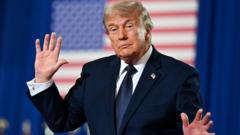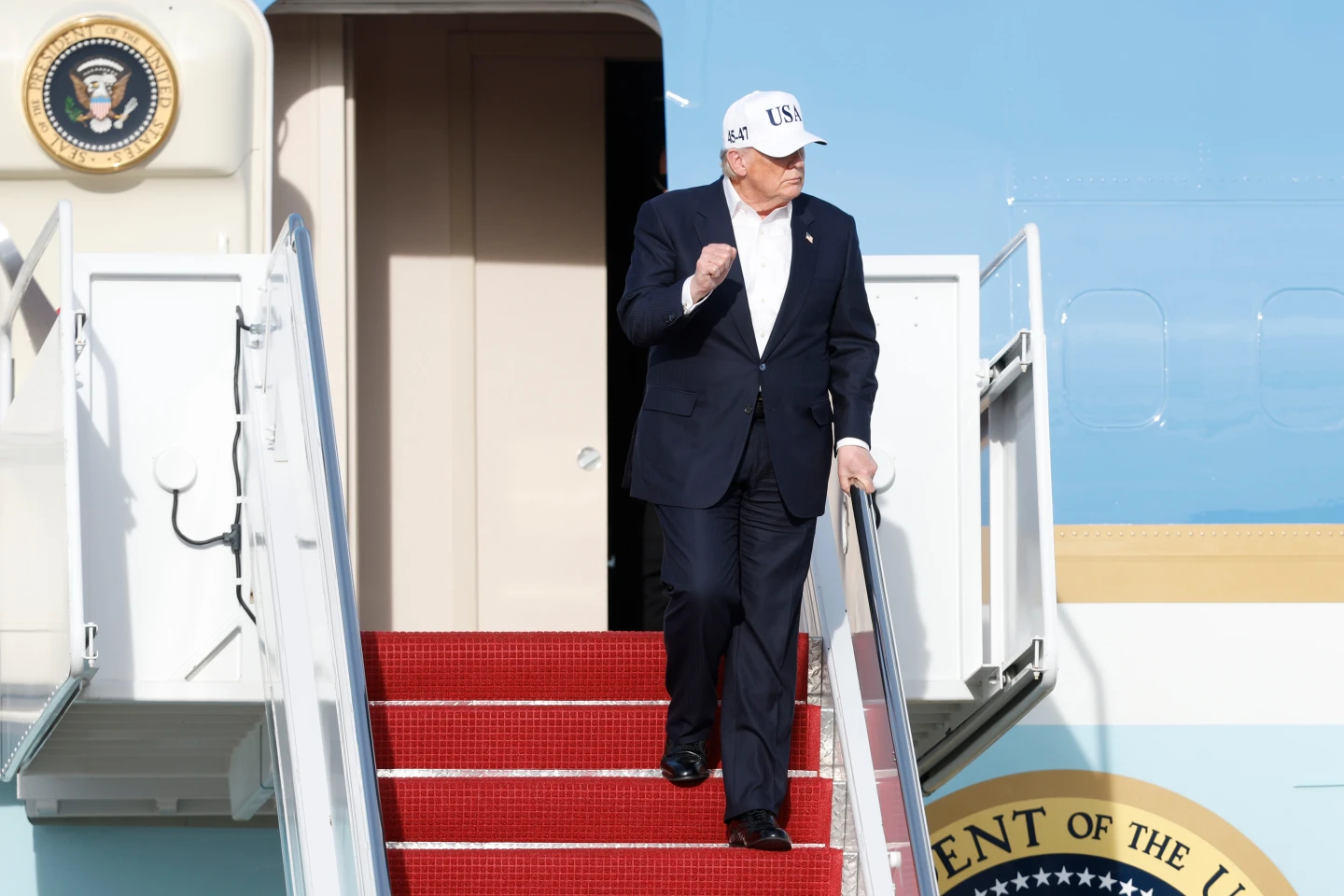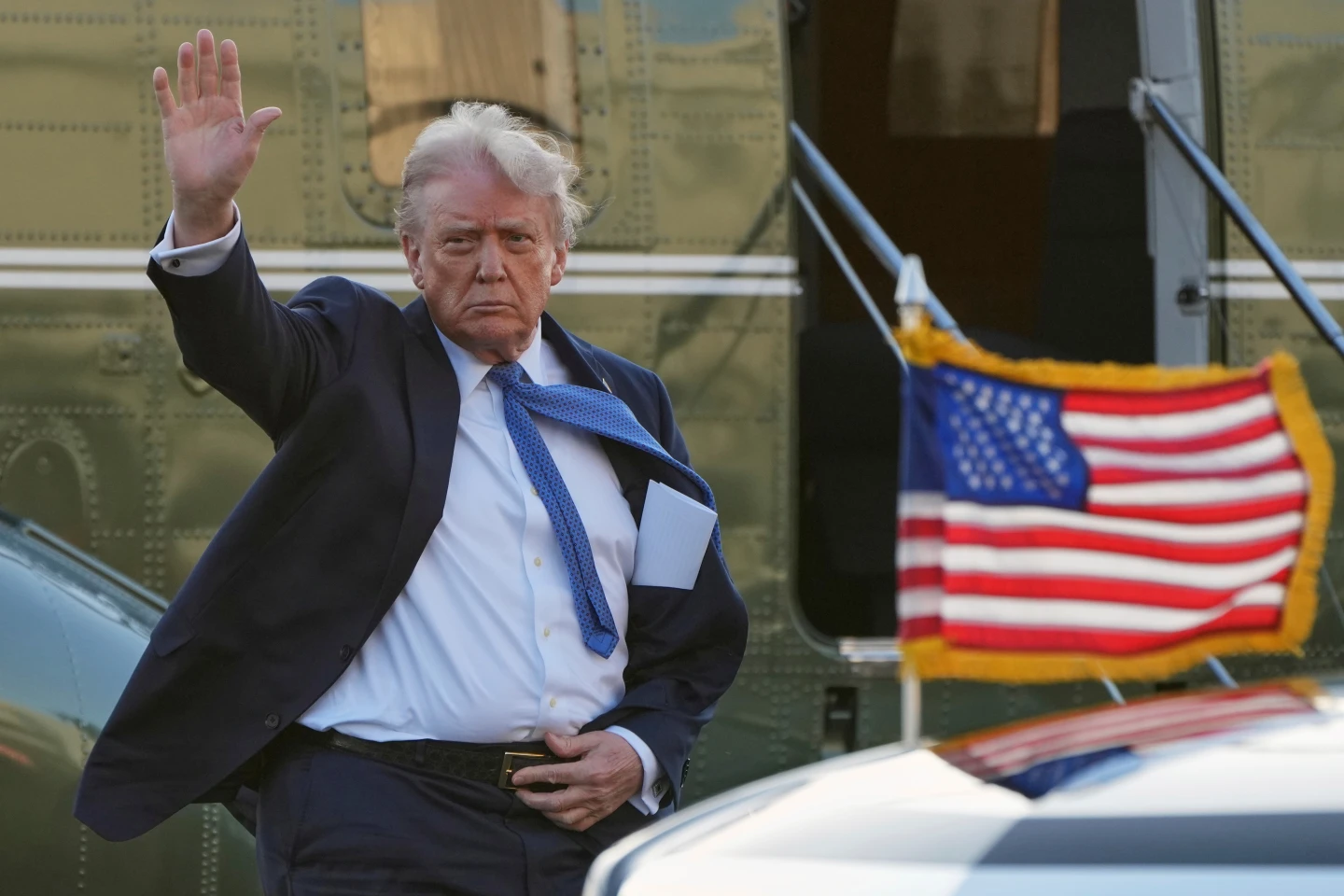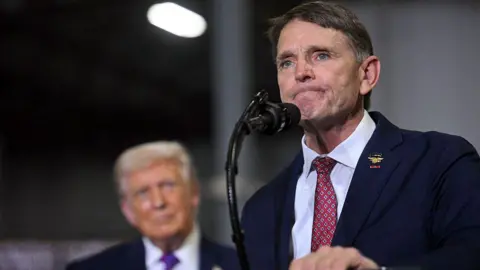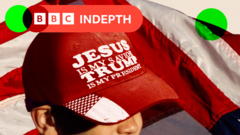
Standing on a podium under the glow of American flags, Donald Trump proclaimed that “God spared my life for a reason,” positioning himself as a divine instrument for national restoration. This sentiment resounded with millions of Americans, many regarding Trump as a savior amidst a landscape of dwindling churchgoers. TV evangelist Hank Kunneman echoed these beliefs, depicting a “battle between good and evil,” and some supporters have even likened Trump to figures like Moses.
Prominent evangelist Reverend Franklin Graham firmly believes that Trump was chosen by God for a special mission, viewing his survival from a near-fatal shooting as divine intervention. He emphasizes that Christians should look beyond Trump’s personal faults, citing his appointment of anti-abortion judges as evidence of his integrity and dedication to defending religious freedom.
Despite his links to Christianity, Trump avoids portraying himself as overtly religious, opting instead for a quid pro quo strategy promising to restore Christian power in a society where religious affiliation is rapidly declining. Research indicates that from the 1990s, the percentage of U.S. adults identifying as Christians has dropped dramatically from 90% to around 64%, which Trump capitalizes on to garner support.
However, not all Christians align with Trump’s vision. Reverend Monte Norwood argues against him, lamenting Trump’s treatment of marginalized communities, and promoting a more compassionate Christian identity. Historical voting patterns show white Christians leaning Republican and others, including non-whites, aligning with Democrats. Yet, recent elections have revealed unexpected shifts, such as increased support for Trump among Muslim voters in Michigan.
Despite Trump’s strong backing from white evangelical Protestants, divided opinions persist within Christianity. Demographic changes and disaffection with traditional beliefs pose significant challenges for the future. High-profile church scandals have prompted many to disaffiliate from their childhood faith. Even as figures like Graham express hope for the protection of religious freedoms under a Trump presidency, the underlying reality remains complex and fraught with generational shifts in faith and values.
For now, the fusion of faith and politics under Trump continues to evoke contrasting reactions, as supporters see him as a protector of religious values, while detractors fear the implications of his approach on broader religious and social landscapes.