In brief
Poland's recent election underscores a clash between Trump-aligned nationalism and traditional European liberalism.
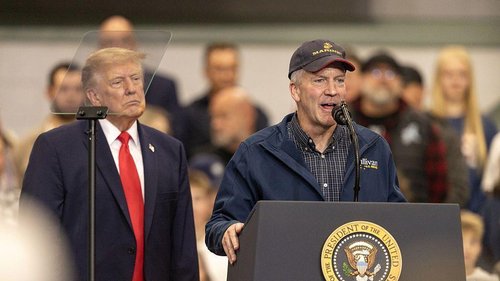
Poland has found itself at a crossroads following the recent presidential election, where nationalist historian Karol Nawrocki narrowly defeated liberal candidate Rafal Trzaskowski. Nawrocki, backed by the Trump administration and the populist Law and Justice party, signifies a swing towards a nationalism that contrasts sharply with the liberal values of the EU, as embodied by Trzaskowski and Prime Minister Donald Tusk.Despite the political shift, experts believe Nawrocki's win won’t alter Poland’s military support of Ukraine or its membership in the European Union. These commitments are broadly maintained across the political spectrum in the country. Yet, the election highlights a growing ideological divide in Europe, especially within the former communist states. Issues such as migration, abortion, and L.G.B.T. rights are deeply polarizing, drawing lines between those favoring national sovereignty and EU influence.Political analyst Jaroslaw Kuisz describes the phenomenon as a struggle between “two Wests,” showcasing distinct ideologies amid a backdrop of change across the continent. As Poland navigates these tensions, the election outcome raises questions about the future direction of European politics and the balance between national identity and broader union values.