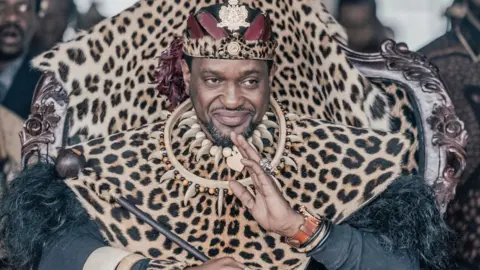
King Misuzulu kaZwelithini of the Zulu nation stoked concern with his recent comments advocating for the expulsion of foreign nationals during a notable speech aimed at addressing rising anti-migrant sentiments in South Africa’s KwaZulu-Natal province.
During an address at the historic site of Isandlwana, where Zulu warriors famously defeated British forces over a century ago, the king used the derogatory term 'kwerekwere' to refer to African migrants, suggesting they should all leave the country regardless of their ties to South Africa.
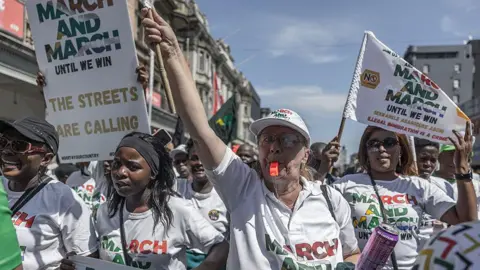
This stance reignites discussions around xenophobia and migration in South Africa, a country that currently hosts around 2.4 million migrants, accounting for approximately 4% of its population. Critics argue that such remarks can exacerbate existing tensions, noting a long history of violence aimed at migrants.
While the king did not advocate violence, his comments reflect broader societal anxieties concerning unemployment and resource allocation that have unfairly directed blame toward immigrants. South Africa has one of the world’s highest unemployment rates, leading some locals to believe migrants are unfairly competing for jobs and services.
In response to the backlash, the king initially attempted to clarify his wording, but his remarks have already sparked outrage and drawn the attention of human rights groups, which find his choice of language dangerous and divisive.
This incident marks a significant moment, not only for the Zulu monarchy but also for South Africa’s socio-political landscape, as xenophobia remains a contentious issue that could potentially lead to further unrest.
During an address at the historic site of Isandlwana, where Zulu warriors famously defeated British forces over a century ago, the king used the derogatory term 'kwerekwere' to refer to African migrants, suggesting they should all leave the country regardless of their ties to South Africa.
This stance reignites discussions around xenophobia and migration in South Africa, a country that currently hosts around 2.4 million migrants, accounting for approximately 4% of its population. Critics argue that such remarks can exacerbate existing tensions, noting a long history of violence aimed at migrants.
While the king did not advocate violence, his comments reflect broader societal anxieties concerning unemployment and resource allocation that have unfairly directed blame toward immigrants. South Africa has one of the world’s highest unemployment rates, leading some locals to believe migrants are unfairly competing for jobs and services.
In response to the backlash, the king initially attempted to clarify his wording, but his remarks have already sparked outrage and drawn the attention of human rights groups, which find his choice of language dangerous and divisive.
This incident marks a significant moment, not only for the Zulu monarchy but also for South Africa’s socio-political landscape, as xenophobia remains a contentious issue that could potentially lead to further unrest.