In brief
After a student‑led protest forced the resignation of Education Minister Dharmendra Pradhan, young voters’ online lingo suddenly echoed across India’s parliament. Politicians from the ruling BJP to opposition Shiv Sena seized the chance to banter with terms such as ‘Delulu’, ‘Clock It’ and ‘MIA’, while the satirical Cockroach Janta Party pushed its meme‑powered movement from Instagram to the electoral table. The episode shows politicians are ready to pick up where youth forums left off, but critics warn that language alone won’t satisfy demands for real reform. Will Gen Z slang live on in politics or fade with the latest meme? Only time will tell.
India’s parliament just became a playground for Gen Z slang.
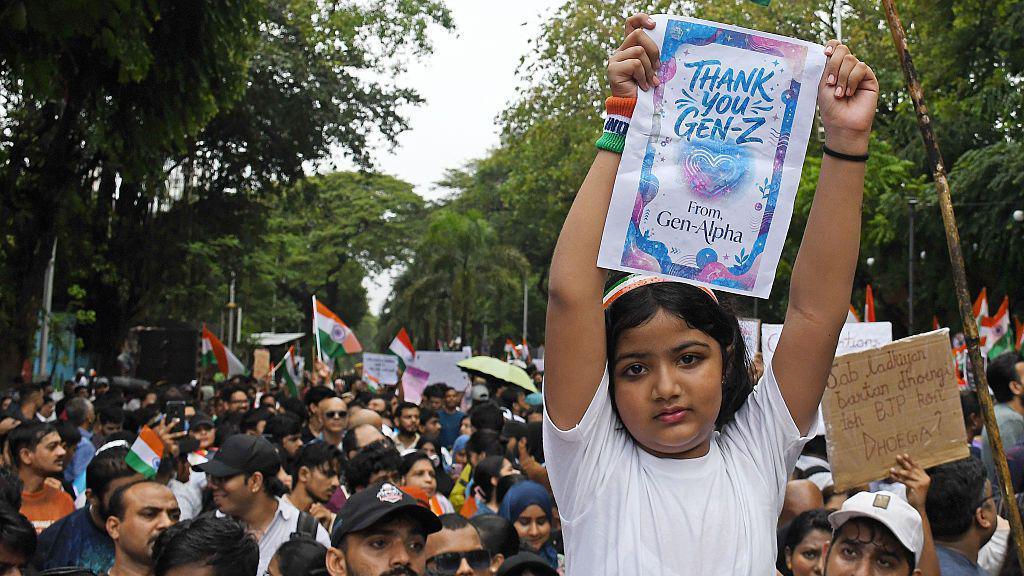
Days after students’ online protests forced Education Minister Dharmendra Pradhan to resign, the politics‑least‑talked‑corner of Delhi – the Lok Sabha – adopted the same meme‑isms that saturate Instagram reels and WhatsApp chats.
"Delulu," "FOMO," "Clock It"—words once limited to comment sections—now floated in formal debates over an anti‑exam‑leak bill.
At the centre was the Cockroach Janta Party (CJP), a satirical internet collectivist that turned viral memes into a live‑action movement. Co‑ordinated on Telegram and born for Instagram, the CJP’s slogans and filters were a recruiting tool for tens of thousands of young voters frustrated by unemployment, crumbling schools and a distant elite.
Politician versus satirist: Shiv Sena’s Shrikant Shinde jabbed opposition MPs as "MIA" (missing in action) and "delulu" (detached from reality), while BJP’s Bansuri Swaraj praised Prime Minister Narendra Modi for "clocking it"—meaning he nailed the solution. Deepender Singh Hooda even quoted the protest catch‑phrase waste‑guna‑huiya, a nonsense meme that sparked jokes across the chamber. And opposition leader Supriya Sule paused outside the debate to ask lawmakers why they’d adopted Gen Z slang—only to later join in with a playful shoutout to the term.
The trend illustrates how politicians have always “borrowed” the culture of their electorate; only now it’s happening at the speed of a viral TikTok video. A 2019 example is the phrase "How’s the josh" from the film Uri, which quickly migrated from wall‑painted drama to parliament. Yet, as digital anthropologist Payal Arora warns, language is a shortcut to cultural awareness but not a substitute for substantive policy changes. The public wants accountability—"…speaking our language isn’t going to impress us without meaningful change," a protester told BBC News.
Will the parliament’s new lexicon endure? The rapid‑cycle of internet slang means today’s viral term might fade overnight. Meanwhile, the movement’s digital heartbeat—tweets, reels, meme‑inspired chants—continues to push for reforms in education and employment. The next debate may or may not include another catchy phrase, but the focus stays the same: youth demand to be heard, and politicians cannot ignore the conversation that starts in chat rooms.
Catch‑me‑next‑time: If you’re curious how this all looks, check out our 60‑second video recap and try the quiz that tests your knowledge of Gen Z slang in politics—are you ready to *clock it*?