In brief
In a bold speech in Saudi Arabia, Trump declared an end to interventionist approaches, urging Middle Eastern nations to take charge of their own futures.
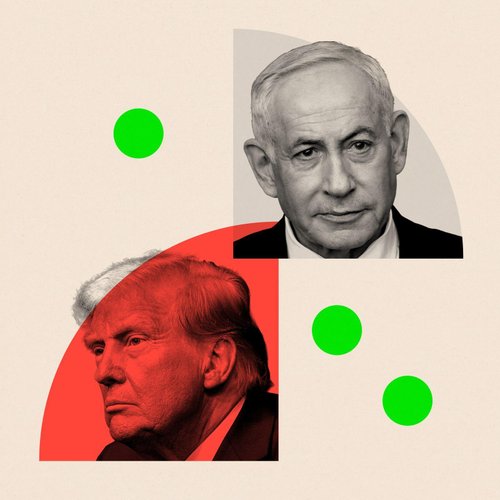
In a stunning shift from traditional U.S. foreign policy, President Trump recently addressed an audience in Saudi Arabia, stating that the U.S. is moving away from nation-building and foreign intervention in the Middle East. He emphasized that countries in the region should define their own paths, free from American interference. His comments sparked varied reactions across the Gulf as he continued a four-day diplomatic tour through Saudi Arabia, Qatar, and the UAE that centered on business and defense agreements. Notably, Trump made history by meeting with Syrian President Ahmed al-Shara, marking the first U.S.-Syria meeting in 25 years. Trump praised al-Shara as "young" and "tough," signaling openness to new diplomatic relationships.On the deal front, Qatar Airways struck a major agreement to purchase 210 Boeing jets, while both nations solidified a defense cooperation statement. Meanwhile, in Gaza, violence escalated as airstrikes reportedly resulted in numerous casualties, adding to the tense atmosphere in the region, particularly regarding the fate of Hamas leader Muhammad Sinwar. The complex dynamics of Middle East geopolitics continue to evolve as Trump's new policy resonates across nations.