In brief
Israel’s upcoming general election is a clash between the seasoned Benjamin Netanyahu and the calm, former army chief Gadi Eisenkot. Polls show a tight race, with huge youth turnout and an influx of overseas voters. Old‑world right‑wing rallies join new AI‑generated videos, and debates turn personal after a hostile slur against Eisenkot’s Moroccan roots. The stakes? Israel’s future security, democracy and the balance of power in its fractured parliaments.
Three years of war have fired up Israel for a battle that felt like it had been on everyone’s radar. The next general election could decide whether Benjamin Netanyahu stays on top or a quiet, former army chief named Gadi Eisenkot takes the reins.
Polls are neck‑and‑neck: a semi‑million first‑time voters are heading to poll stations, plus 70,000 overseas Israelis flying in just to cast a ballot. Huge crowds gathered in Tel Aviv this weekend demanding change, with teens like 21‑year‑old Omri saying they want “peace, security, and the end of corruption.”
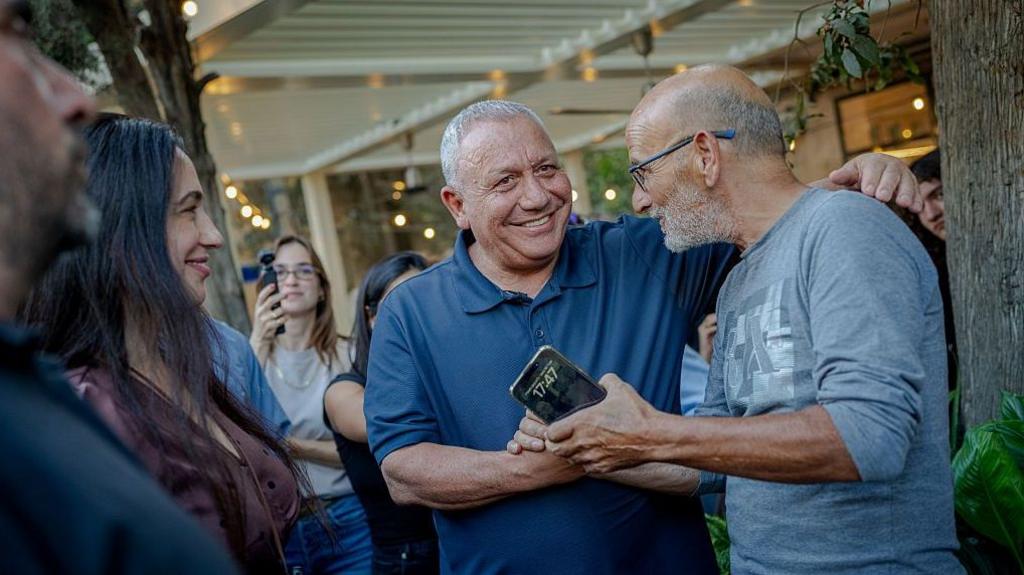
Eisenkot, who grew up in a Moroccan‑working‑class neighbourhood, is known for his calm, low‑drama style. He moves through crowds with a direct eye contact that makes people feel heard: “He looks you in the eye, not like a leader looking down at someone.” That image has become a campaign icon, especially after a racist slur was thrown at him during a debate.
Meanwhile, Netanyahu’s side is banking on stark security messages, hearing “No Surrender” on every billboard. He accuses opposition parties, including Eisenkot’s Yashar group, of being soft on Hamas and tying democracy and security together in a deadly mix. His supporters say he is the only one who can keep the country safe after the 7 October attacks that claimed nearly 1,200 lives.
Both camps promise different futures: Eisenkot pledges a “state‑minus” solution for Palestinians if it delivers full Israeli safety; the far‑right insists on extending settlements in the West Bank and supporting ultra‑orthodox draft rules. In the end, the election could hinge on whether Arab parties step in as kingmakers in a parliament that may see no single side reach a majority.