In brief
Uganda has slapped a 21‑day home isolation rule on anyone who’s spent time in the Democratic Republic of Congo, after two travellers test positive for Ebola after passing through Uganda. The health ministry says the move is to keep the country Ebola‑free and will also block non‑essential travellers from transiting. While Uganda has no recorded cases, the government is tightening airport and border screening, and will charge for the quarantine stay. Digital natives should be aware that travel plans into East Africa may suddenly change, but staying informed can keep you safe.
Uganda has announced a new rule: anyone who has visited the Democratic Republic of Congo must stay in home quarantine for 21 days after returning. The health ministry said it was a “public health measure” to keep the country free of Ebola, the deadliest disease that has sickened thousands in the region.
The policy comes after two people who travelled through Uganda tested positive for Ebola in Kenya and Nigeria. Though Uganda has not recorded a case, the government warns that the risk is still very real.
Under the new rule, returning Ugandans will undergo the 21‑day isolation at their own cost. In addition, Uganda is boosting screening at Entebbe International Airport and all land borders, and has stopped allowing non‑essential travellers from DR Congo to transit the country.
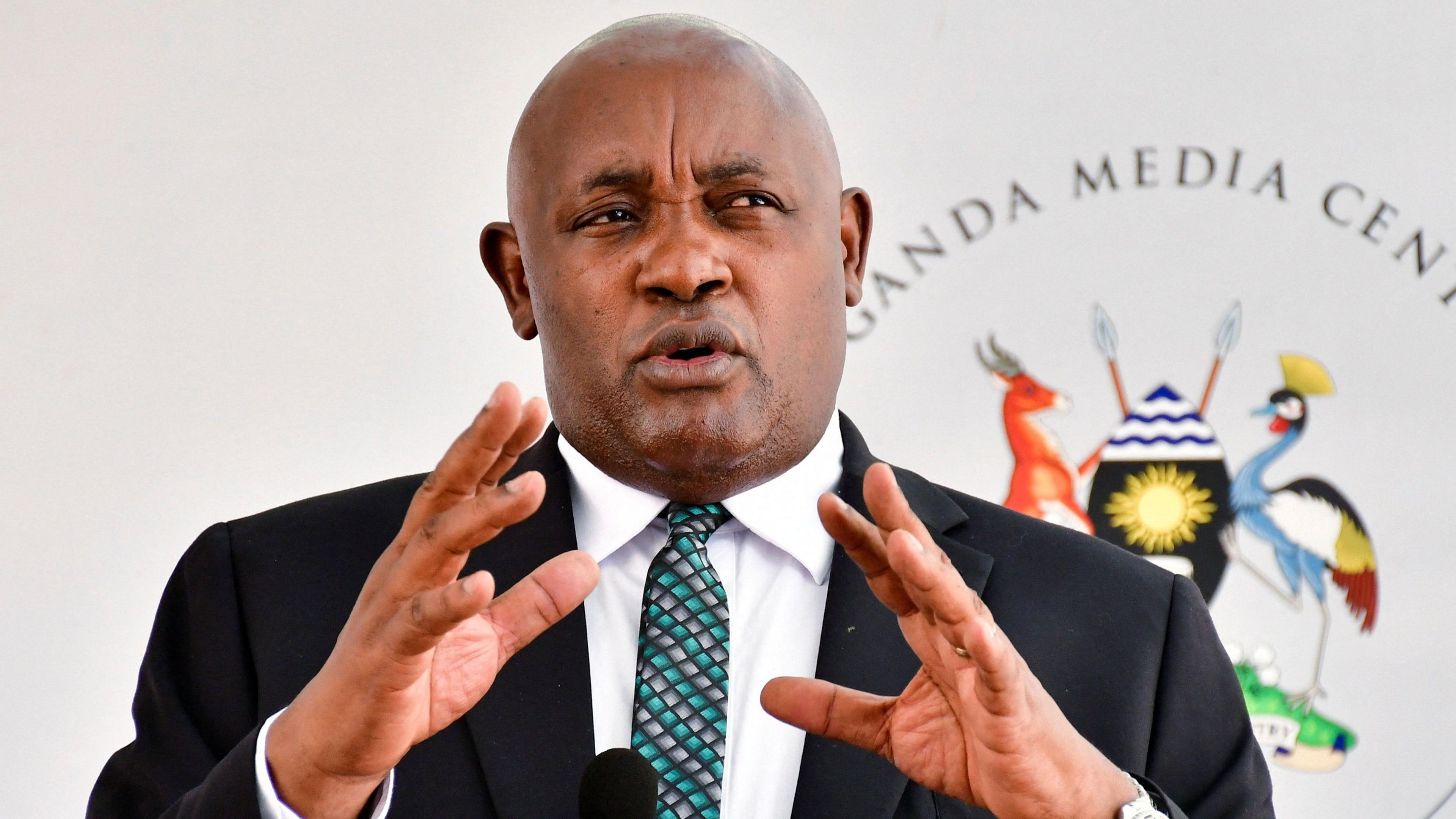
Health Minister Chris Baryomunsi told BBC Newsday that only essential workers from DR Congo would be allowed in, and that the country was “intensifying public health measures” to keep it safe.
The outbreak in DR Congo hit 4,800 deaths since May, and the virus continues to spread to other African nations. Uganda counted 20 cases early on, but the World Health Organization cleared the country of the disease in August. The new restrictions show how fast the rules can change if the situation evolves.
If you’re planning a trip to or through Uganda from DR Congo, prepare for a potential quarantine or re‑planning. Keep an eye on official updates, and remember: health and safety come first.