In brief
This article explores the quake's causes, its effects on far-off places, and building vulnerabilities.
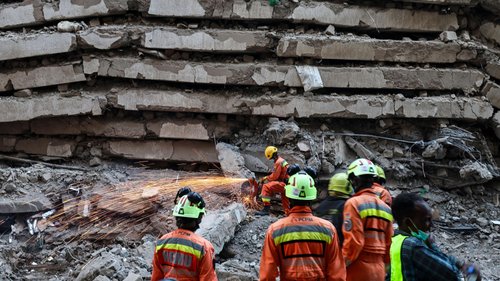
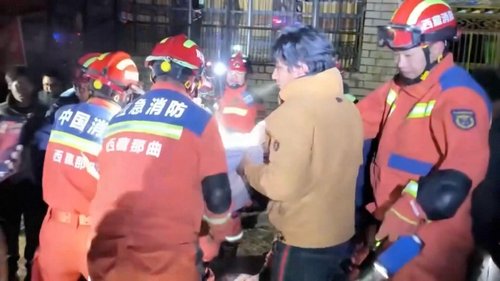
In a shocking turn of events, a powerful earthquake measuring 7.7 on the Richter scale hit Myanmar, claiming over 1,000 lives and causing significant structural damage. While Myanmar is no stranger to geological activity, the quake’s effects reached as far as Bangkok, Thailand, where an unfinished skyscraper tragically collapsed. But how could a quake in Myanmar trigger destruction so far away? The answer lies in tectonic plates. These plates shift and overlap, and Myanmar sits at the crossroads of four major ones: the Eurasian, Indian, Sunda, and Burma microplates. This convergence makes the region geologically active, with faults, like the Sagaing fault, allowing for sudden shifts in the earth. The earthquake's shallow depth—only 10km below the surface—amplified the shaking, which was already powerful enough to outmatch the atomic bomb dropped on Hiroshima, according to experts. The energy from the quake traveled down the fault line, escalating its impact on soft soils like those beneath Bangkok, increasing the intensity of the vibrations.Why did only one building in Bangkok collapse amidst horror footage of swaying skyscrapers? It turns out the structure, located in the Chatuchak district, employed a flat slab design—outdated for earthquake zones. Although it adhered to updated safety standards, this construction method lacks the necessary support to withstand seismic forces.Elsewhere in Myanmar, cities like Mandalay bore the brunt of the quake's power due to their vulnerable infrastructure, often built without modern safety codes amid ongoing political turmoil. Many buildings are also at risk of liquefaction—a dangerous phenomenon where saturated soil loses its strength during shaking, leading to catastrophic failures. As rescue efforts continue in the aftermath of this natural disaster, experts warn that aftershocks pose an additional threat to an already vulnerable infrastructure in both Myanmar and Bangkok.