Empty line 4
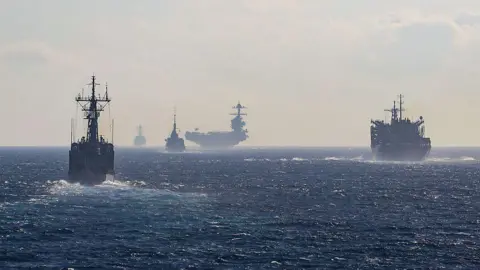
In a surprising move that coincides with Pride Month, the US Navy has revealed intentions to rename the USNS Harvey Milk, a vessel named after the iconic gay rights leader and Navy veteran. This effort, outlined in documents obtained by CBS News, comes as part of a larger strategy by the Trump administration to realign military culture. Harvey Milk, notably the first openly gay man elected to office in California, won his seat on the San Francisco Board of Supervisors but was tragically assassinated just ten months later.
The renaming directive, which aims to promote a more traditional military ethos, includes potential changes to other ships named after civil rights figures, like the USNS Ruth Bader Ginsburg and the USNS Harriet Tubman. This decision has stirred controversy, particularly among Democrats, with leaders like Nancy Pelosi criticizing it as a "vindictive erasure" of those who championed equality.
The Pentagon's spokesman, Sean Parnell, explained that the decision aligns with directives discouraging military involvement in events linked to heritage months and recent executive orders that emphasize traditional gender definitions. Critics argue that this undermines progress made toward inclusion, as supporters of diversity and equity initiatives assert that such programs are vital for addressing historical injustices. As the debate continues, many are left questioning the future of military representation and recognition of diverse identities.
In a surprising move that coincides with Pride Month, the US Navy has revealed intentions to rename the USNS Harvey Milk, a vessel named after the iconic gay rights leader and Navy veteran. This effort, outlined in documents obtained by CBS News, comes as part of a larger strategy by the Trump administration to realign military culture. Harvey Milk, notably the first openly gay man elected to office in California, won his seat on the San Francisco Board of Supervisors but was tragically assassinated just ten months later.
The renaming directive, which aims to promote a more traditional military ethos, includes potential changes to other ships named after civil rights figures, like the USNS Ruth Bader Ginsburg and the USNS Harriet Tubman. This decision has stirred controversy, particularly among Democrats, with leaders like Nancy Pelosi criticizing it as a "vindictive erasure" of those who championed equality.
The Pentagon's spokesman, Sean Parnell, explained that the decision aligns with directives discouraging military involvement in events linked to heritage months and recent executive orders that emphasize traditional gender definitions. Critics argue that this undermines progress made toward inclusion, as supporters of diversity and equity initiatives assert that such programs are vital for addressing historical injustices. As the debate continues, many are left questioning the future of military representation and recognition of diverse identities.