In brief
Andrée Blouin's journey from a troubled childhood to a renowned independence activist is inspiring many today.
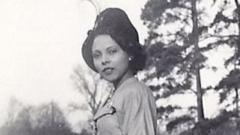
Andrée Blouin, born in 1921 to a French father and a Central African mother, became a symbol of hope in the fight for African independence during the mid-20th century. In the aftermath of a personal tragedy—her son René's death due to colonial negligence—Blouin dedicated her life to dismantling colonial structures in Africa. Her compelling narrative is captured in her soon-to-be-released autobiography, "My Country, Africa: Autobiography of the Black Pasionaria," which shines a light on her notable connections with revolutionary leaders such as Patrice Lumumba, Sékou Touré, and Kwame Nkrumah.Blouin's experiences in a convent for mixed-race children highlighted the racial tensions that plagued Africa. After escaping the oppressive conditions of the convent, she thrived in political circles, marrying twice and raising three children while simultaneously campaigning for independence.In the campaign for Guinea's independence from France, Blouin played a crucial role, helping the country to secure its freedom in 1958. This victory propelled her into influential positions, including chief of protocol for Lumumba's government in the Democratic Republic of Congo.Sadly, her journey was marred by violence and betrayal. Lumumba's assassination in 1961 left her devastated, particularly as she was forcibly separated from her family during political turmoil. Eventually settling in Paris, she continued her passion for pan-Africanism, writing and advocating for the rights of her people.Blouin's legacy, though overshadowed during her lifetime, is being rediscovered today. Cultural initiatives in Kinshasa honor her contributions, while her memoir aims to inspire a new generation. As her story is reintroduced to the world, it serves as a powerful reminder of the role women played in shaping Africa's narrative of freedom and equality. "My Country, Africa" will be available for readers on January 7, marking a significant moment for history enthusiasts and advocates of gender equality alike.