In brief
Major items like canned food, cars, and construction materials may see price increases as US businesses grapple with new metal tariffs imposed by President Trump.
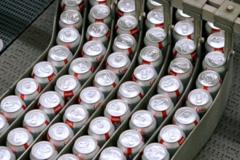
The American consumer is bracing for price tags to grow, as new tariffs on metal imports threaten to make everyday essentials more expensive. President Trump has announced a 25% tax on imports of steel and aluminum from countries including Canada, Mexico, and Brazil. This decision could send costs skyward not just for manufacturers but ultimately for shoppers, as companies may pass these additional costs onto consumers.Canned food is one area set to be affected. Approximately 70% of the steel needed for making cans comes from international sources, making food producers like General Mills voice concerns over rising prices if exemptions from the tariffs aren’t granted. Canned food prices could rise significantly, disrupting the supply chain essential to many American diets.Beverage companies, including Coca-Cola, are also sounding alarms. Executives warn that increased aluminum costs might push prices higher for their products. They are adapting to these changes, but the impact could still hit consumers hard.The automotive sector isn’t immune either. Analysts predict that car prices could jump by around $300 or more, with major automakers already bracing for financial strain similar to previous tariffs imposed in 2018. Industry leaders like Ford have expressed frustration over the excessive costs stemming from these tariffs, which they argue could result in significant price increases for consumers.Additionally, the construction industry, a massive consumer of steel, warns that new tariffs will thwart efforts to make housing more affordable. The National Association of Home Builders has raised red flags, predicting that higher steel prices will be felt in home prices as builders face soaring costs.As the situation unfolds, it’s clear that consumers may well see the financial repercussions of these tariffs in their everyday lives. From a can of soda to the cost of a new car, the impacts will ripple through many aspects of consumer goods.In a market where affordability is already a pressing concern, these tariffs could throw a wrench in the financial stability of both businesses and families across the nation.