In brief
A joint statement from the United States, the EU, Canada, Switzerland, Norway and the UK warns of an alarming surge in food insecurity in Sudan amid the civil war that began in April 2023. The union’s report cites that 19.5 million people, or 41 % of the population, are experiencing acute hunger, with five million facing emergency levels. Conflict has damaged infrastructure, disrupted agriculture and blocked aid routes, while an El Niño‑driven drought worsens the crisis. Humanitarian agencies report only 40 % of the 2026 aid budget has been delivered, leaving many children at risk of severe malnutrition.
The United States and 30 other Western states have issued a stark warning that food insecurity in Sudan is reaching a crisis point. The joint statement urges the warring parties in Sudan’s civil war to lift all barriers to humanitarian relief before “famine” turns into a full‑scale catastrophe.
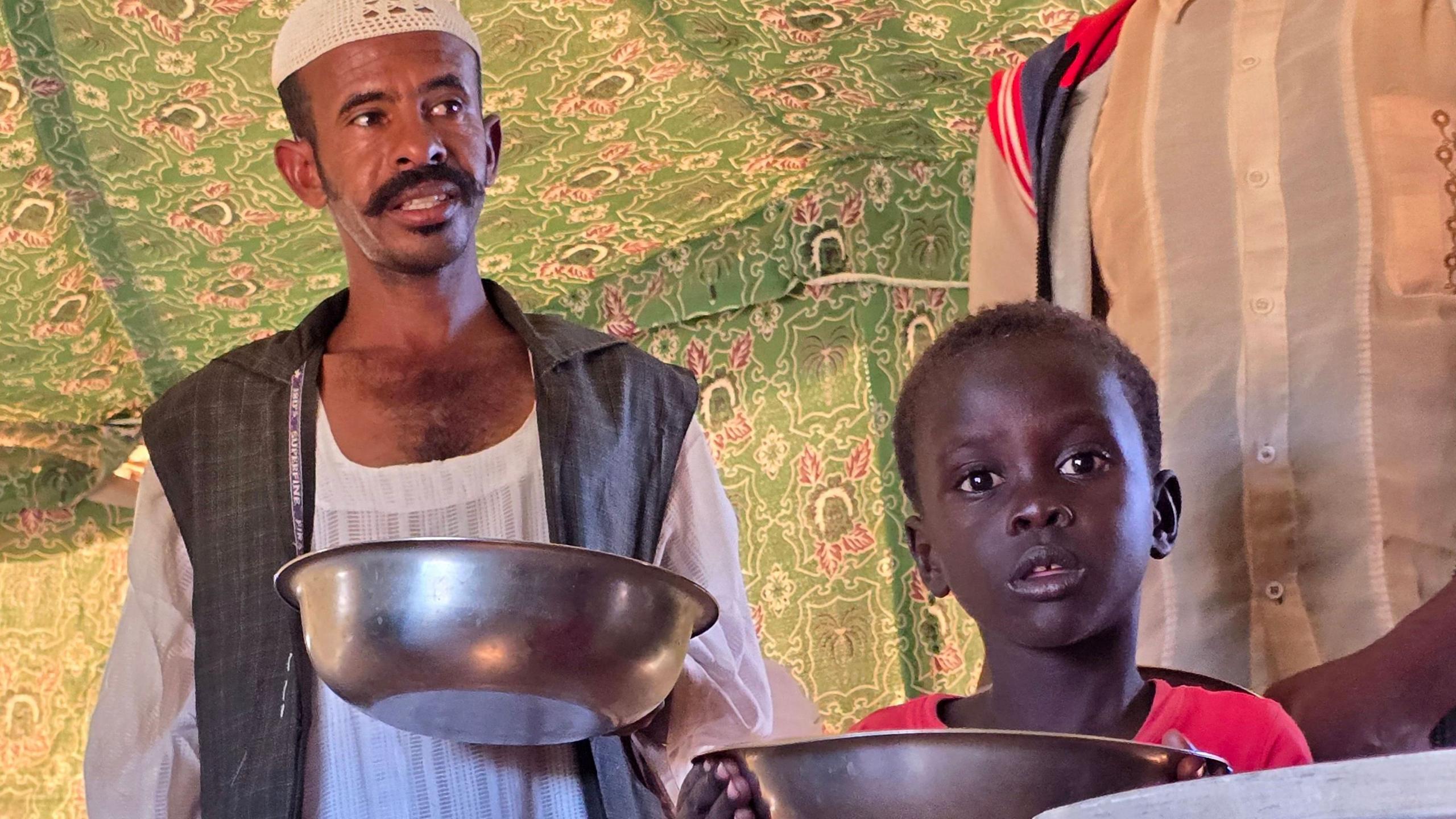
Caption: “War in Sudan has led to the worst humanitarian crisis with more than 33 million people needing assistance.” – WHO
The civil war, which erupted in April 2023 between the Sudanese Armed Forces and the Rapid Support Forces, has already displaced 14 million people. The conflict has destroyed critical food production infrastructure, and fighting continues to block aid convoys, making it essentially impossible for support to reach villages.
According to the joint statement, 19.5 million people—roughly 41 % of Sudan’s population—are facing acute food shortages, with five million on the brink of emergency hunger. The report warns that the number of children suffering from severe acute malnutrition could surpass the projected 825,000 if action is not taken immediately.
Humanitarian experts such as Yusuf Roble from Islamic Relief East Africa highlight the dire living conditions: “People return to Omdurman to find their homes destroyed or looted. Meals are only provided by a community kitchen that has barely enough resources.” He further notes that only 40 % of the 2026 humanitarian needs plan has been funded, which threatens to deepen the crisis.
Beyond the war, an El Niño‑related drought has reduced rainfall across more than half of the country, complicating the already fragile food supply chain. The underlying message from the statement is clear: the parties to the conflict bear primary responsibility for halting the suffering and must allow full, safe, rapid and unimpeded access for humanitarian aid.
The Associated Press and other agencies continue to monitor the situation, with the United Nations’ Integrated Food Security Phase Classification noting that 5.1 million people faced severe hunger in June. As the war drags on, global humanitarian actors are calling for swift diplomatic intervention to avert famine and stabilize the region.