In brief
Cooking shows, once a staple of British television, are facing a significant decline in viewership and production. With the emergence of social media influencers and platforms like YouTube and TikTok, traditional formats struggle to keep up. An analysis reveals that while traditional food programming diminishes, food content is thriving online, driven by relatable personalities and ease of access. As audiences shift, questions arise about the future of this cherished genre.
Cooking shows, once loved across the UK, are slowly fading into the background as social media changes how we consume food content. The rise of influencers on platforms like TikTok and Instagram is reshaping our culinary landscape.
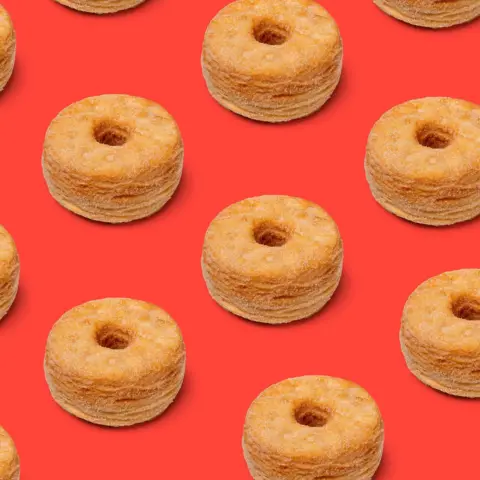
From the whimsical cronut craze to relatable chefs like Natalia Rudin, who now has over 1.5 million followers on social media, the platform has become the primary space for culinary delight. This shift is evident as traditional cooking shows face a 44% drop in production.
Despite a gold mine of creative talent online, respected culinary figures like Nigella Lawson are absent from the screens. The question remains: Do audiences still cherish "proper" cooking shows as they delve deeper into the exciting world of cooking influencers?
While formats like The Great British Bake Off still glimpse success, many traditional shows struggle to resonate with a new generation that values authenticity.
As the broadcasting landscape shifts, it’s clear that the appetite for food content isn't dying; it’s just transforming. Audiences are hungry for new stories and creatives who can deliver them in fresh, innovative ways.