In brief
The shooting of Muhsin Hendricks, an openly gay imam in South Africa, has shaken the LGBTQ+ community while igniting a call for continued advocacy and acceptance within religious spaces. Hendricks, who defied norms by conducting interfaith marriages, left behind a legacy of hope but also raised concerns for the safety of queer individuals in faith circles.
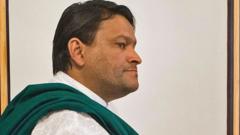
Muhsin Hendricks' tragic death in South Africa is creating ripples across the LGBTQ+ community and beyond. Known as the world's first openly gay imam, Hendricks was shot dead in Gqeberha while on his way to officiate wedding ceremonies. His Al-Gurbaah Foundation clarified that he was conducting marriages for interfaith heterosexual couples, showcasing his determination to challenge societal norms, even in his final moments.Reverend Toni Kruger-Ayebazibwe remembered him as a "gentle spirit" who bridged gaps in religious circles, highlighting the immense loss felt by queer Muslims globally. Traditional Islamic organizations condemned his killing but struggled to fully accept Hendricks due to their conservative views on sexuality.Despite South Africa's progressive history, being the first African nation to legalize same-sex marriage, LGBTQ+ individuals still face stigmatization within many religious sects. While some churches have started to adopt inclusive policies, challenges remain regarding traditional interpretations of sacred texts that exclude queer people.As the community mourns, there’s a determination to advocate for change. Hendricks' legacy is profound; Teboho Klaas from The Other Foundation remarked that his impact lives on, inspiring ongoing efforts for LGBTQ+ rights. Though fear may loom in the aftermath of violence, leaders like Reverend Kruger-Ayebazibwe remain committed: "the work matters too much." Hendricks has been laid to rest, but a memorial will soon honor his contributions to LGBTQ+ rights, ensuring his spirit continues to inspire.