In brief
In a dramatic turn of events, a potential ceasefire between Iran and Israel emerges following President Trump's bold military actions, raising hopes for a more peaceful region.
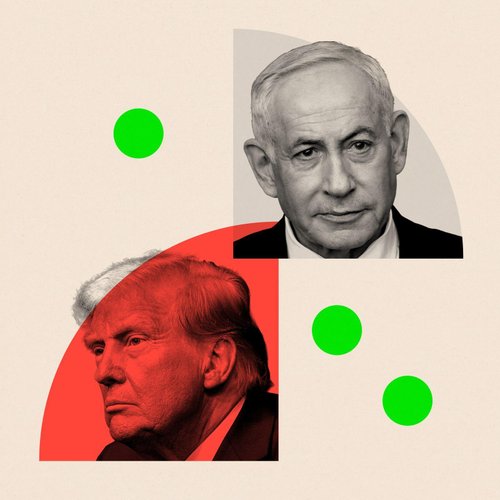
Amid escalating hostilities between Iran and Israel, President Donald Trump’s assertive military strategy seems to be paying off. This week, he revealed that both nations have reached a tentative ceasefire agreement, which he believes could pave the way for lasting peace. If successfully negotiated, this ceasefire would signify a retreat from what he termed the "12 Day War" that recently threatened to lead to a larger conflict involving the U.S.Iran's Foreign Minister Abbas Araghchi emphasized that any further military response from Iran hinges on Israel halting its aggression, with a deadline set at 4 AM Tehran time. Reports suggest that Israeli strikes ceased as the deadline approached, indicating both sides may be cooling tensions after confronting a series of retaliatory exchanges that included missile attacks from Iran aimed at U.S. bases.Just as concerns peaked regarding potential U.S. casualties, officials confirmed that American defenses intercepted the missiles, resulting in no reported damage or casualties. Following the missile incidents, Trump quickly communicated that Iran’s response was feeble and ultimately planned.By refraining from additional troop deployment, Trump expressed hope for diplomatic talks, engaging with Qatari and Israeli leaders to firm up the ceasefire details. This approach echoes a previous instance in January 2020, following the assassination of an Iranian military leader, where cooler heads ultimately prevailed to avoid further escalation.Despite some provocations, analysts suggest Iran is acting cautiously, looking to balance its responses and maintain proportionality rather than escalate tensions. Currently, Trump is focusing on a potential diplomatic avenue that could lead both nations away from renewed hostilities, all while the global community watches closely.