In brief
As Australia faces a changing geopolitical landscape, citizens and leaders debate whether they need a "Plan B" in defense partnerships.
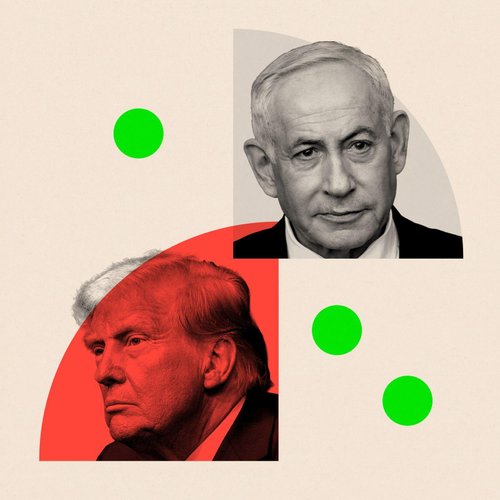
Australia, long regarded as the United States' staunch ally, is now wrestling with a surge of uncertainty regarding its defense strategy. The relationship, likened to a "strategic marriage," has come under scrutiny after a series of unpredictable decisions made by former President Trump. Australian exports recently faced harsh tariffs, including a 10% tax on goods and a staggering 25% on steel and aluminum. These tariffs have sparked serious discussions among Australians about the future of their national defense, especially with China's military footprint steadily growing in the region. Prime Minister Anthony Albanese has cautioned that these developments could influence how Australians perceive their association with the U.S. Malcolm Turnbull, a former Australian prime minister, voiced concern, stating, “We’re dealing with an America whose values no longer align with ours.” This sentiment has led many to ponder whether Australia should develop alternative defense strategies independent of their traditional partner. With 27 million people spread across a vast land, Australia historically relied on powerful allies for security, first with Britain and now with America. As they navigate this new chapter, the question remains: does Australia need a “Plan B”?