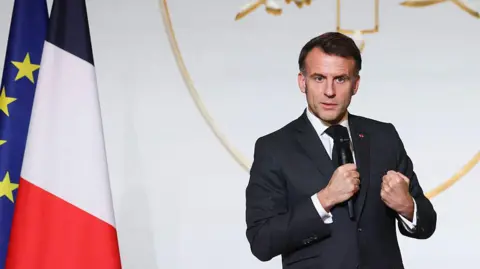
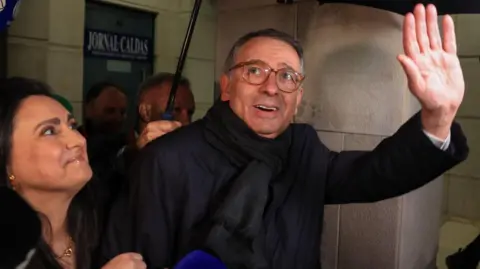
In a bid to resolve France's pressing government crisis, President Emmanuel Macron has appointed François Bayrou, a seasoned centrist politician, as the new prime minister. While Bayrou is respected across the political spectrum, the road ahead is fraught with challenges. The National Assembly remains divided into three factions, a stalemate likely persisting until July 2025, making Bayrou's success uncertain.
Since Michel Barnier’s recent fall from grace due to a no-confidence vote, Macron has sought to forge a coalition, initially leaning on traditional leftists. However, the Socialist Party's demand for left-leaning policies forced Macron to rely on his trusted allies. Bayrou, a close ally since 2017, has a political career spanning over 40 years and has garnered support from the center and right.
His previous roles include a brief stint as Macron's justice minister, but scandals have marked his career. Now, at 73, he focuses on reducing debt while maintaining relationships across the political divide. His reputation includes respect from both left and right, making him a potential bridge-builder.
Political analysts suggest Bayrou’s independence may lead to a tilt towards left-leaning policy changes. As the crisis shifts power dynamics in France, Bayrou's first steps involve assembling a new cabinet and addressing an urgent budget for 2025. He faces swift scrutiny and resistance from opposing factions including the far-right.
While the prospect of a non-aggression pact among parliamentarians exists, critics warn it could stall crucial reforms to lower the country's debt. As France stands at a pivotal moment, Bayrou's political maneuvering may prove vital in shaping the nation's governance for the years to come.