In brief
At an early‑summer meeting in Atlanta, the four Quad countries voiced "grave concerns" about China’s trade tactics and promised $85 million to improve AI access in the Indo‑Pacific. They also agreed to launch a joint business forum to address what they see as market distortions caused by overcapacity. The diplomats plan further talks in Manila and a broader summit in November.
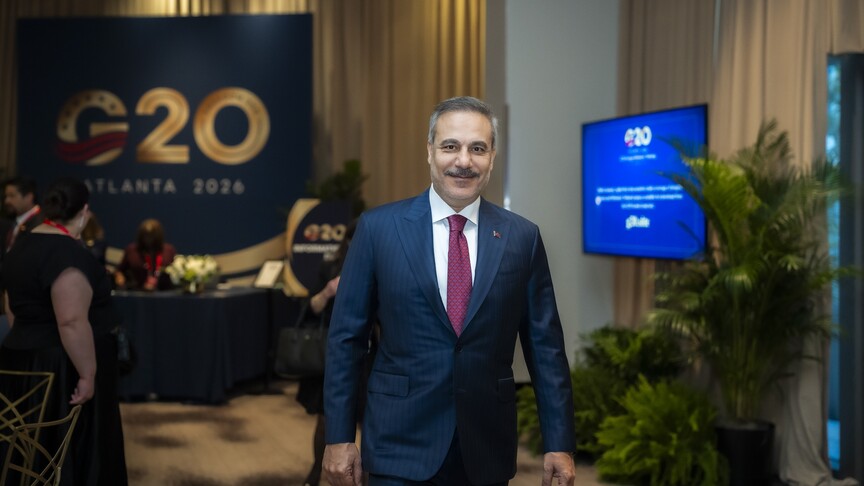
In Atlanta, the top diplomats of Japan, the United States, Australia and India met for the third time this year and warned that China’s trade practices were “economically coercive.” The four leaders said China’s export restrictions and other non‑market policies distort markets and threaten global supply chains.
During the meeting, Japan’s Foreign Minister Toshimitsu Motegi said the diplomats voiced "grave concerns," a phrase that has been repeated in press releases from all four countries.
"We have voiced grave concerns regarding economic coercion, including through arbitrary export restrictions, as well as non‑market policies and practices that result in overcapacity to disrupt global supply chains in critical industries," the joint statement read.
The Quad leaders also announced a $85 million pledge for technical and financial aid to expand trusted artificial intelligence access across the Indo‑Pacific region. The money is aimed at helping countries build secure AI tools that can compete in a rapidly changing technology landscape.
In addition to the AI funding, the diplomats agreed to launch a joint business forum that will bring the four nations together with partners in the region to counter market distortions caused by overcapacity. The forum will focus on critical industries that are vulnerable to supply chain disruptions.
Following the Atlanta talk, the leaders scheduled meetings in Manila in mid‑November, where they will meet with the Association of Southeast Asian Nations and members of the Quad. These talks are part of a planned summit in the Philippines next month, aimed at boosting cooperation on maritime security, technology, and trade.
The Quad, consisting of the four countries, has grown to tackle challenges that go beyond security, now covering economics, technology and supply chains. China has said the group’s initiatives are intended to contain its rise in the region, but the Quad leaders see them as responses to unfair market practices that threaten global stability.