In brief
In a recent interview, Angela Merkel addresses her controversial ties with Russia and decisions surrounding Ukraine's NATO membership, expressing that her choices were aimed at promoting peace while acknowledging the consequences faced today.
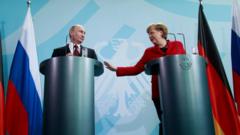
Angela Merkel, the former Chancellor of Germany, sat down for a revealing one-on-one interview with the BBC's Katya Adler, where she discussed her past governance and its impact on current events. Merkel defended her gas agreements with Russia, explaining that they were meant to support German businesses and to maintain peaceful relations with Moscow. She firmly stated that had she not blocked Ukraine's NATO membership in 2008, the ongoing war would likely have begun even earlier. During her 16 years in leadership, Merkel was at the helm during significant crises, including the 2014 Russian invasion of Ukraine. She expressed regret over Vladimir Putin's escalating threats regarding nuclear weapons and emphasized the importance of preventing their use. In her view, supporting Ukraine’s NATO path might have led to a worse military conflict in the past. Yet, this perspective has drawn criticism from Ukraine's current President Volodymyr Zelensky, who believes her NATO decision helped embolden Russia.Merkel's legacy often sparked intense discussions, particularly about her handling of the migration crisis in 2015 when she allowed over a million refugees into Germany. While praised by some for her humanitarian approach, critics argue these choices empowered right-wing parties in Germany, affecting public opinion and national politics. As Europe recalibrates its response to Russian aggression and contemplates future energy strategies, Merkel admits to feeling uneasy about her legacy. She believes it is essential to invest in African nations, aiming to stem migration and improve quality of life to prevent future crises. Despite facing scrutiny and evolving global conflicts, she maintains that she acted in her country’s best interests throughout her political career and continues to offer insight to current world leaders when consulted. Merkel’s memoir, “Freedom,” brings her reflections to light at a time when Europe grapples with economic instability and the prospect of heightened tensions globally, especially with figures like Donald Trump looming on the political horizon.