In brief
On World Cities Day, Saudi Arabia’s capital Riyadh announced major urban transformation plans, including a 176‑kilometre metro system and large green spaces, while preserving historic sites such as Al‑Masmak Palace as part of Vision 2030.
On October 31, 2026, Riyadh celebrated World Cities Day by announcing a sweeping urban renewal agenda that pairs new infrastructure with heritage preservation, according to the Saudi Press Agency.
Central to the plan is the Riyadh Metro, a six‑line network covering 176 kilometres with 85 stations, intended to link residential areas to business, cultural and entertainment centres across the capital.
The city is simultaneously safeguarding historic landmarks such as Al‑Masmak Palace and the traditional markets of Al‑Dirah while developing modern hubs like the King Abdullah Financial District.
Environmental initiatives are part of the transformation: the Green Riyadh Program is expanding parks and green spaces, and King Salman Park will combine natural landscapes with cultural, sports and recreational facilities, drawing on the capital’s major natural landmark, Wadi Hanifah.
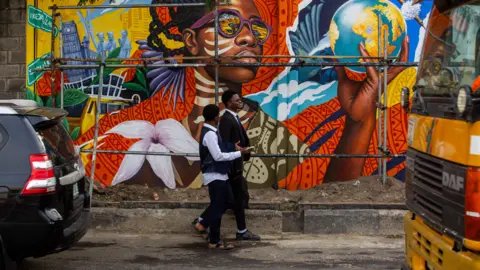
Riyadh also rolled out the Riyadh Art project, installing public art in streets, squares, parks and public facilities to enrich the city’s cultural life.