In brief
Since January 5th, New York City's innovative congestion charge has resulted in a significant drop in traffic, making streets safer and improving bus speeds.
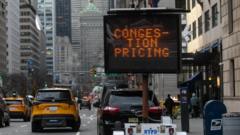
Traffic in New York City has seen a notable decline since the introduction of a congestion charge scheme on January 5, according to transport officials. The Metropolitan Transportation Authority (MTA) reported that 273,000 fewer vehicles entered the central business district from Monday to Friday, translating to a 7.5% reduction compared to projected traffic levels for January weekdays absent of the charge. This marks the first such fee implemented in the U.S., charging car drivers up to $9 (£7) daily, with varying fees for different vehicle types. The congestion zone encompasses areas south of Central Park, including iconic landmarks like the Empire State Building and Times Square. MTA Chief Janno Lieber stated, "The early data backs up what New Yorkers have been telling us all week – traffic is down, the streets feel safer, and buses are moving faster." New Yorkers are benefiting from reduced travel times during busy morning commutes, while local and express buses are seeing quicker travel speeds. The initiative is designed to mitigate overwhelming traffic issues in the city and generate billions for public transport. For most drivers, the daily charge stands at $9 during peak times, while small trucks and non-commuter buses pay $14.40, and larger trucks and tour buses incur $21.60. Although many embrace the new regulation, it has met resistance, notably from President-elect Donald Trump, who has pledged to abolish the fee upon taking office. Last year, New York City was identified as the world’s most congested urban area for the second consecutive year by traffic analytics company INRIX.