In brief
As US tariffs hit Vietnam and Cambodia with rates as high as 49%, the strong export-driven growth of these nations now faces serious risks. Leaders scramble to negotiate and mitigate the impacts of reduced trade with the crucial US market.
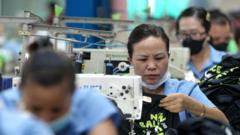
The US tariffs, targeting a majority of global imports, have created significant challenges for Southeast Asia, especially Vietnam and Cambodia, which now face staggering tariffs of 46% and 49%, respectively. The tariffs, part of a broader trade strategy initiated by President Donald Trump, threaten the foundation of Vietnam's rapidly growing economy, where US exports account for over 23% of GDP. This region has prided itself on economic development through exports, but with tariffs now in place, growth rates aimed at 8% annually may become unattainable. Concurrently, Thailand, Indonesia, and Malaysia are also experiencing significant effects, with tariff rates ranging from 24% to 36%. Cambodia’s situation is particularly dire, as its government relies on the garment industry for job security for around 750,000 workers, and thousands of those positions could be at risk. In response, Vietnamese leaders like To Lam are aiming to negotiate a reduction in tariffs, while regional governments provide assurances against panic. Vietnam is actively engaging with Washington, proposing to eliminate its own tariffs on American imports to encourage dialogue. However, skepticism from the US seems to loom as criticisms arise about Vietnam's trade practices and the export of Chinese goods disguised as Vietnamese products.As the economic strain grows due to these punitive tariffs, leaders scrambling to maintain their grip on political power may face rising unrest within their countries. The once-admired transactional approach of Trump may now lead to a wave of desperation, as regional leaders seek to stabilize their economies amid the ongoing tariff war.